Inside the Exhibition: Blackmore Foster at Ashe Gallery
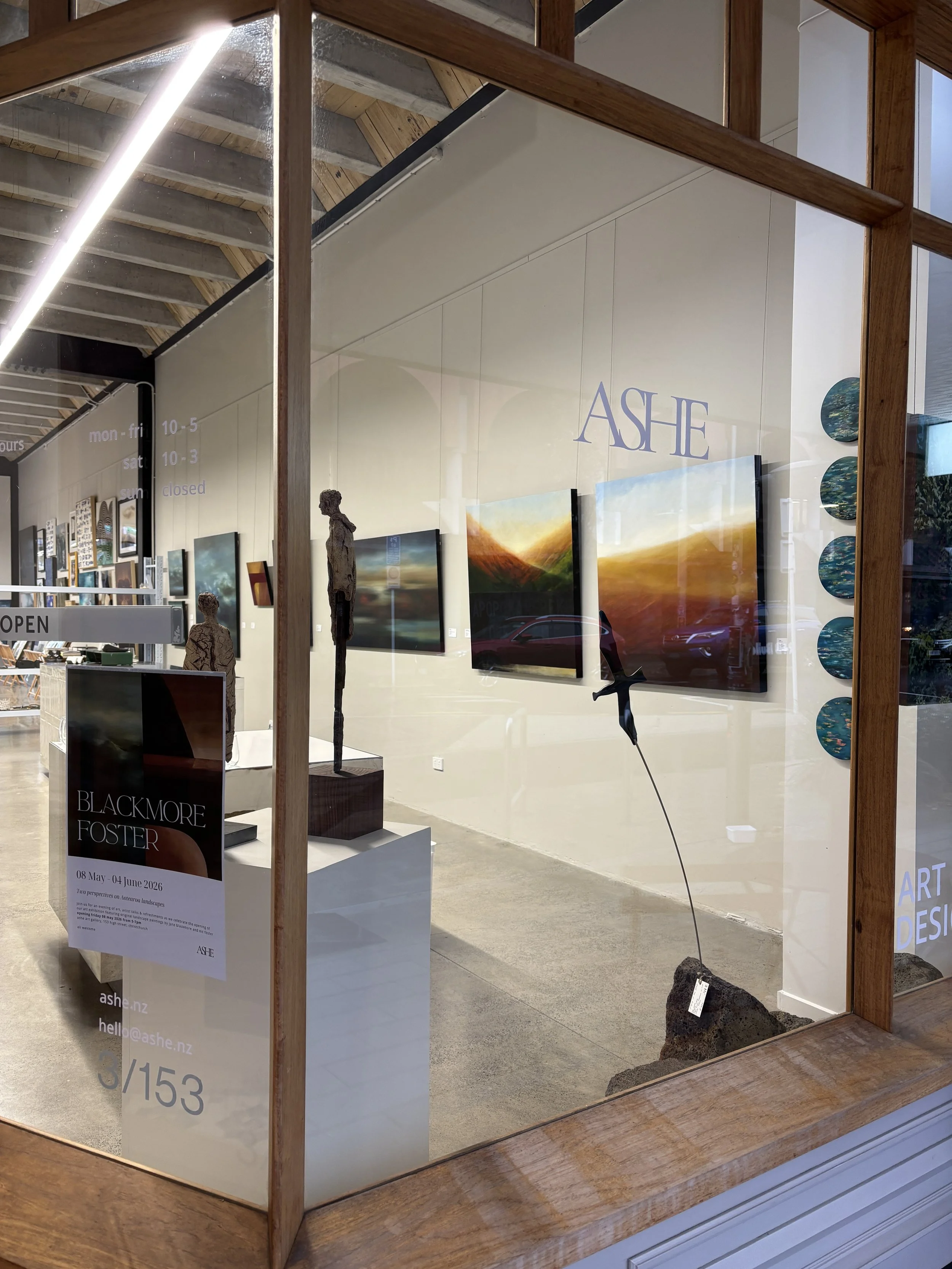
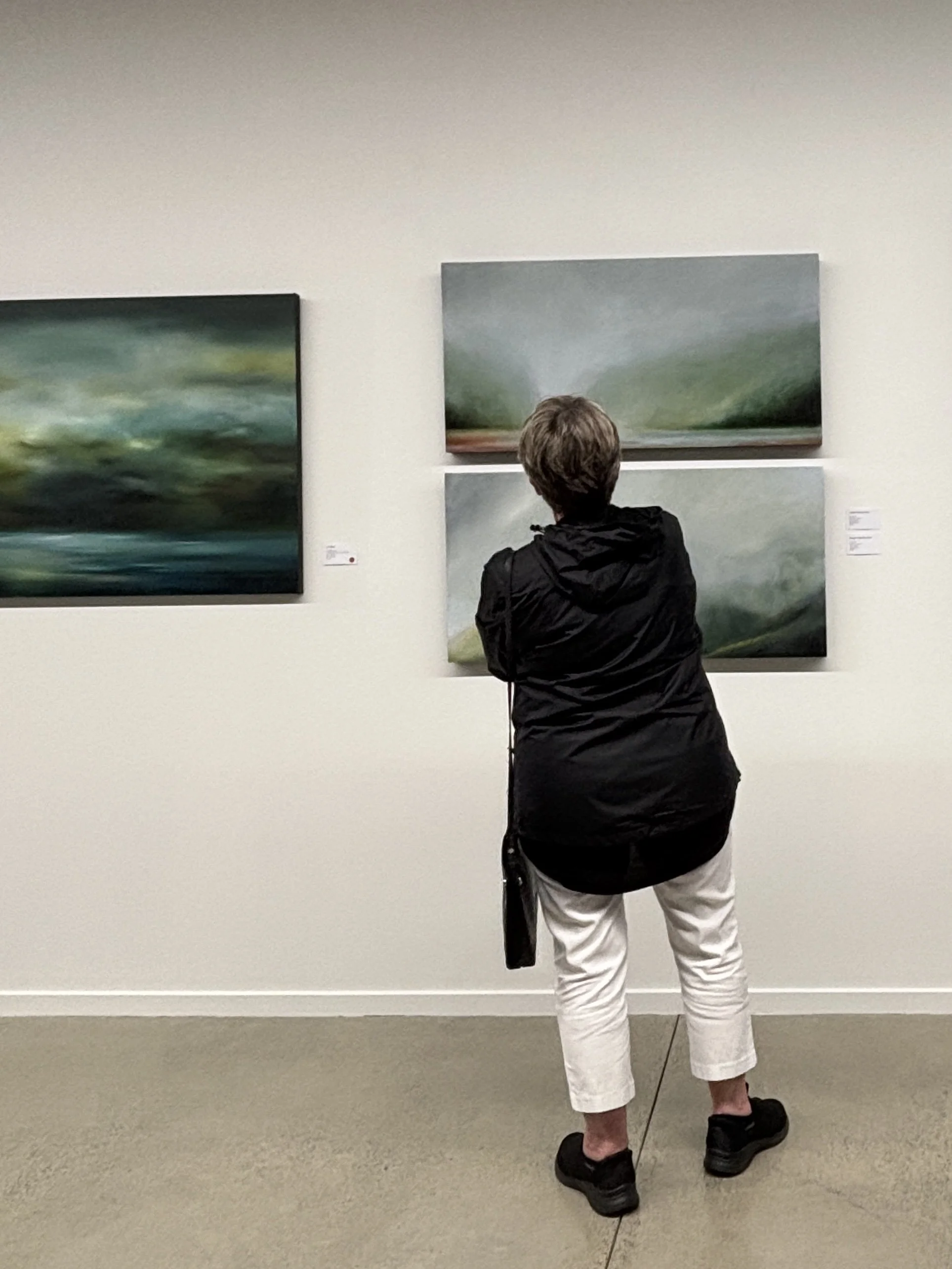
Blackmore Foster - Two Perspectives on Aotearoa Landscapes opened last Friday at Ashe Gallery with an incredible sense of warmth, excitement, and support for both of these established New Zealand artists. We were fortunate to welcome both Jane Blackmore and Nic Foster into the gallery alongside their friends, whānau, collectors, and wider creative communities.
When curating exhibitions at Ashe, I take time to consider how artworks visually sit together, and also how the artists’ stories, histories, and perspectives can form a meaningful dialogue within the space. Jane and Nic first studied together at art school more than twenty years ago, and over the years have continued to exhibit alongside one another in various contexts. Bringing their works together again here at Ashe felt both natural and significant.
While there are shared sensibilities within their practices - gesture, atmosphere, emotional connection to place - they have each developed distinctly individual contemporary painting styles and visual languages of their own. Using different mediums, textures, and approaches to landscape, their works collectively explore ideas of inward and outward reflection, memory, presence, and our spiritual relationship with land.
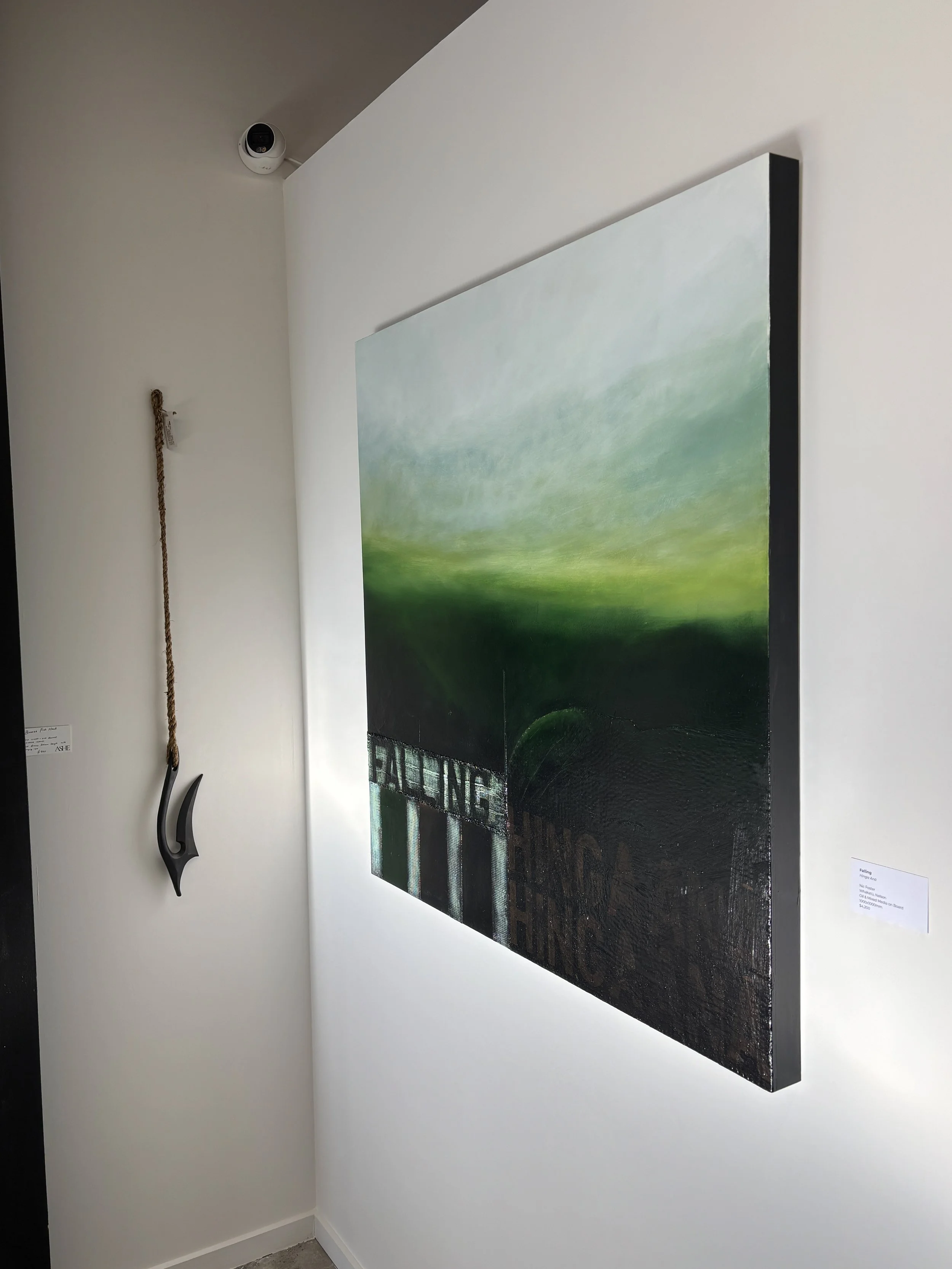
The exhibition presents their two perspectives of Aotearoa landscapes. Jane Blackmore’s paintings open outward into vast and expansive vistas, where light, scale, and movement create moments of quiet grandeur. In contrast, Nic Foster’s works draw the viewer inward, offering immersive and deeply layered encounters with the whenua. Together, the exhibition asks viewers to consider landscape not simply as scenery, but as something lived within - emotionally, spiritually, and physically.
Within Nic Foster’s body of work, there is a noticeable return to oil paint, a medium the artist had stepped away from for some time. Speaking with Nic during the exhibition, it was fascinating hearing him reflect on the process of reconnecting with oils - relearning the patience required for layering, drying times, varnishing, and the unpredictable nature of the medium itself. That sense of experimentation and rediscovery is present throughout the works.
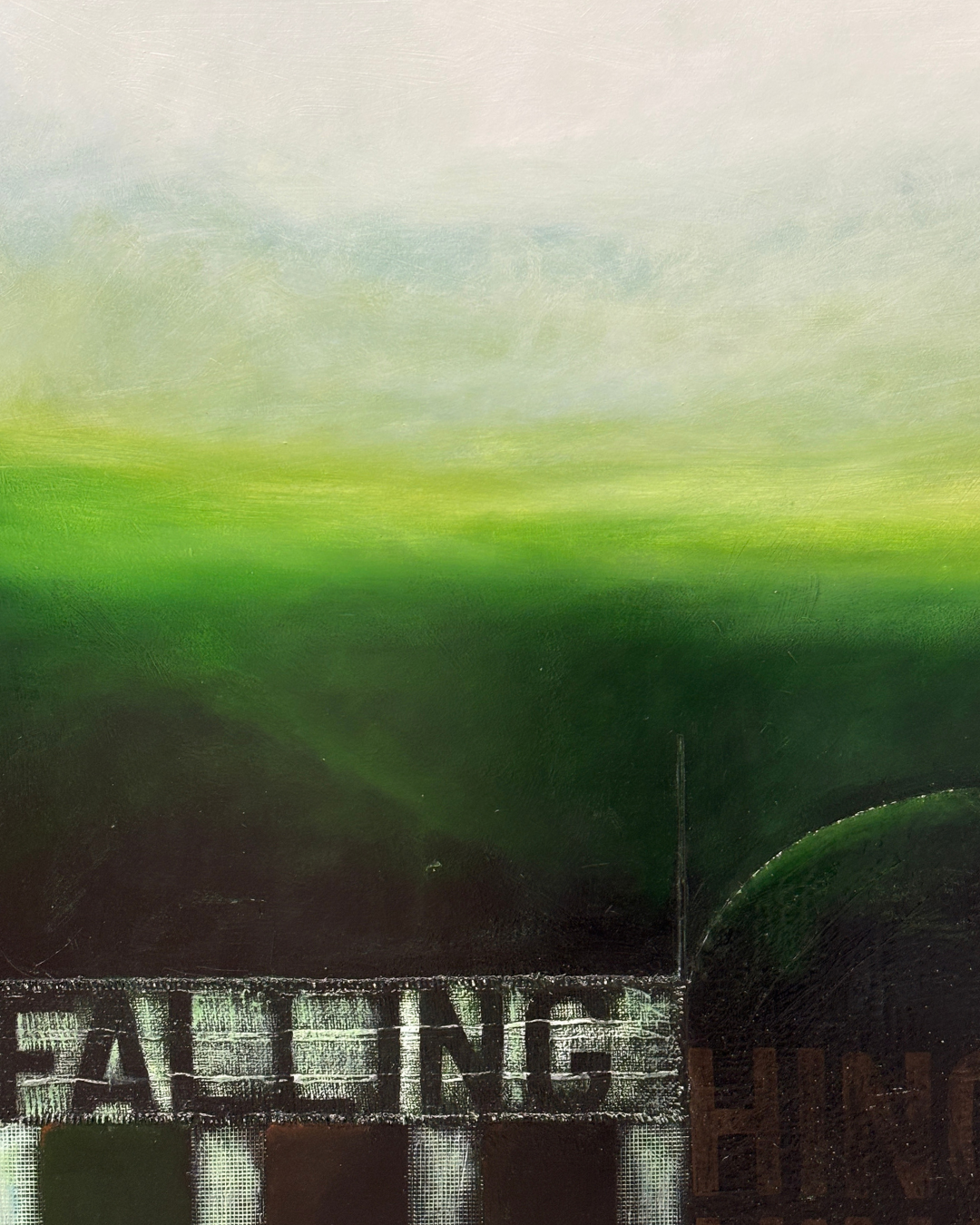
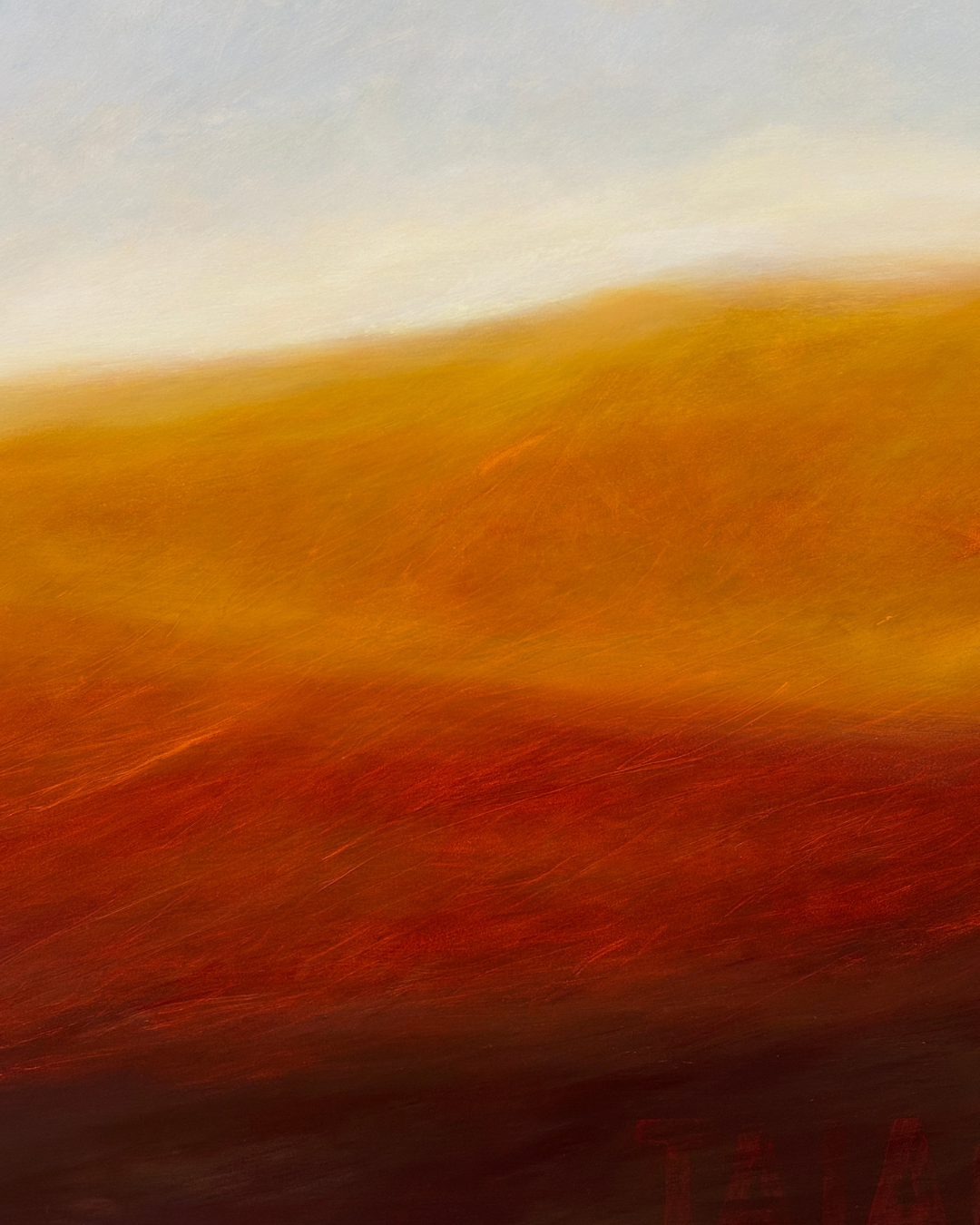
Foster’s paintings are deeply connected to Te Waipounamu and the experience of moving through the South Island landscape. Many of the works draw influence from journeys through Ōtira and Arthur’s Pass, capturing fleeting moments of atmosphere alongside references to engineering, architecture, and human intervention within the land. His practice increasingly shifts between realism, abstraction, and geometric simplification, using texture, mixed media, layered gesso, and te reo Māori text to build meaning beyond the visible surface.
Environmental concern also quietly sits beneath the works. Foster describes his mist-like forms and fragmented sub-text as representations of things disappearing before our eyes - reflections on climate change and the impacts on our whenua. One particularly compelling work, Āpōpō Ka Rerekē: Tomorrow Will Be Different, pays homage to Colin McCahon’s Tomorrow Will Be the Same But Not as This Is - a title Nic noted has perplexed him for many years because it “does not make sense.” This questioning and searching for meaning becomes part of the work itself.
I especially enjoyed discussing the transformation of the painting Red Mine, which evolved from an entirely red composition into something far more grounded in natural and earthy tones. The layers beneath remain present, giving the final work a sense of history and depth that mirrors the physical landscape itself.
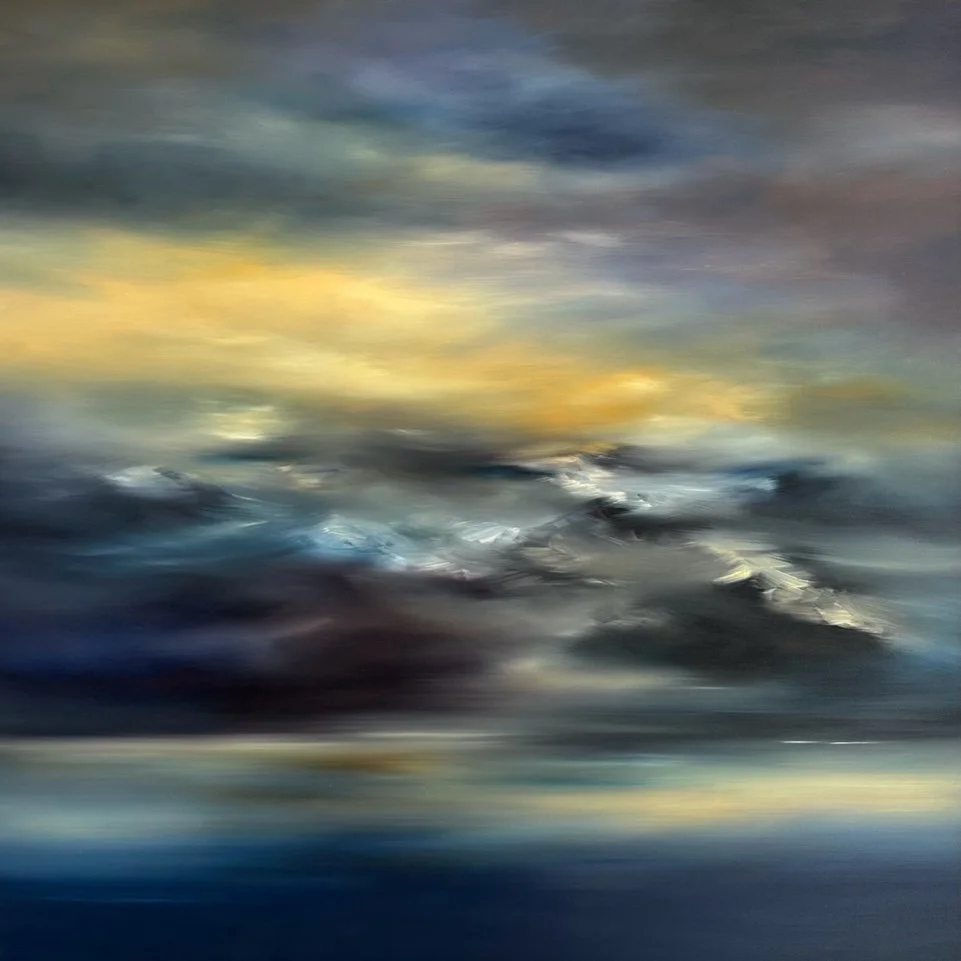
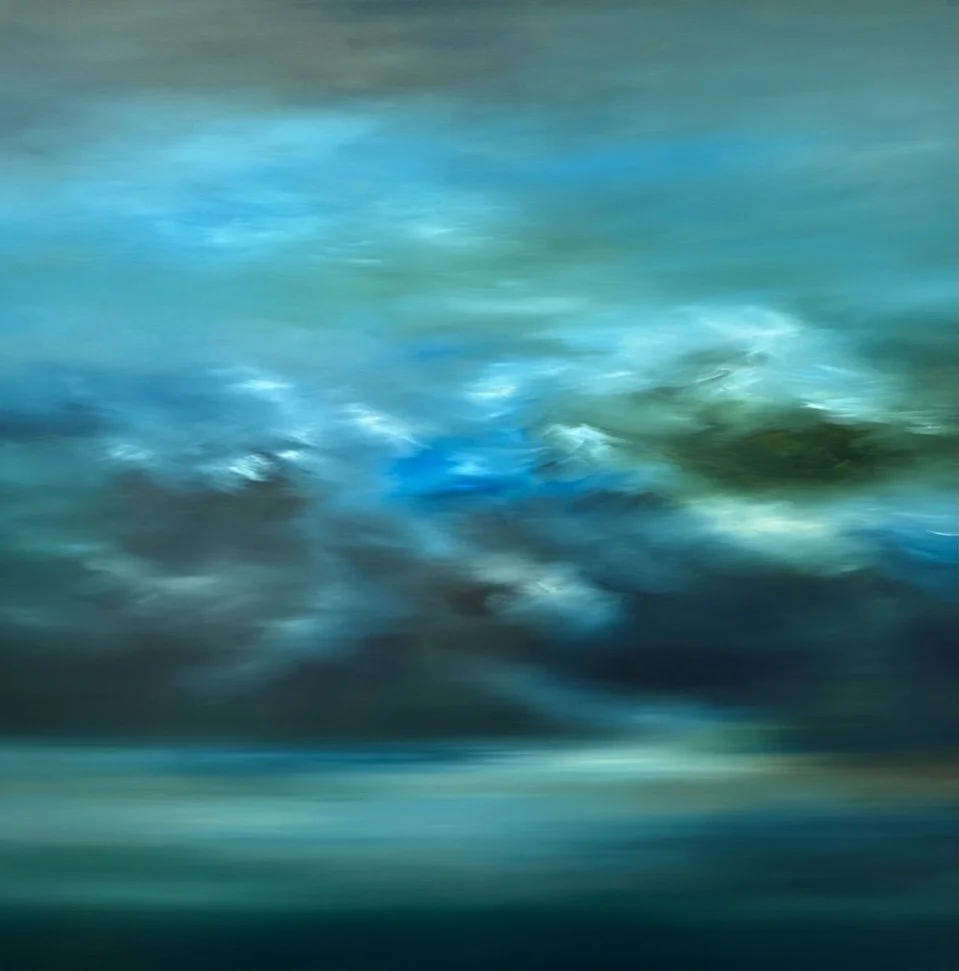
Jane Blackmore’s paintings offer a very different, yet equally emotional, experience of landscape. Her recognisable style captures vast environments through sweeping gestures, layered oil paint, and atmospheric shifts in colour and light. Her works carry a strong emotional intensity while remaining calm and assured - qualities that speak to her experience as an established painter continually refining and challenging her practice. To stand in the presence of one of Jane’s large-scale landscape paintings is a true gift; there is something within them that simply takes your breath away. The scale, depth, and movement within the works have an ability to transport the viewer completely - holding you in a moment that feels both expansive and deeply personal.
Primarily inspired by the landscapes surrounding Wellington Harbour and hills, Jane’s works in this exhibition extend into the landscapes of Te Waipounamu. While many works are untitled in relation to a specific location, viewers can easily draw connections to the lakes, mountains, and open spaces of Central Otago and the South Island.
One work that particularly stood out to me was Celestial. Amongst the more dramatic gestural works within the exhibition, this painting holds a quiet stillness. Soft horizontal brushstrokes and subtle reflections across the foreground create a moment of pause. The depth of colour and tonal restraint draw the viewer inward, encouraging reflection rather than spectacle. Jane’s works ask us to sit with feeling - to experience landscape through emotion, memory, and light.
Together, Blackmore and Foster create a compelling dialogue between horizon and presence, between expansive distance and immersive intimacy. Their works invite us to experience the landscape as both something we look across, and something we are deeply held within.
Exhibition Duration: 08 May - 04 June 2026
View in-gallery or online anytime.