 Image 1 of 4
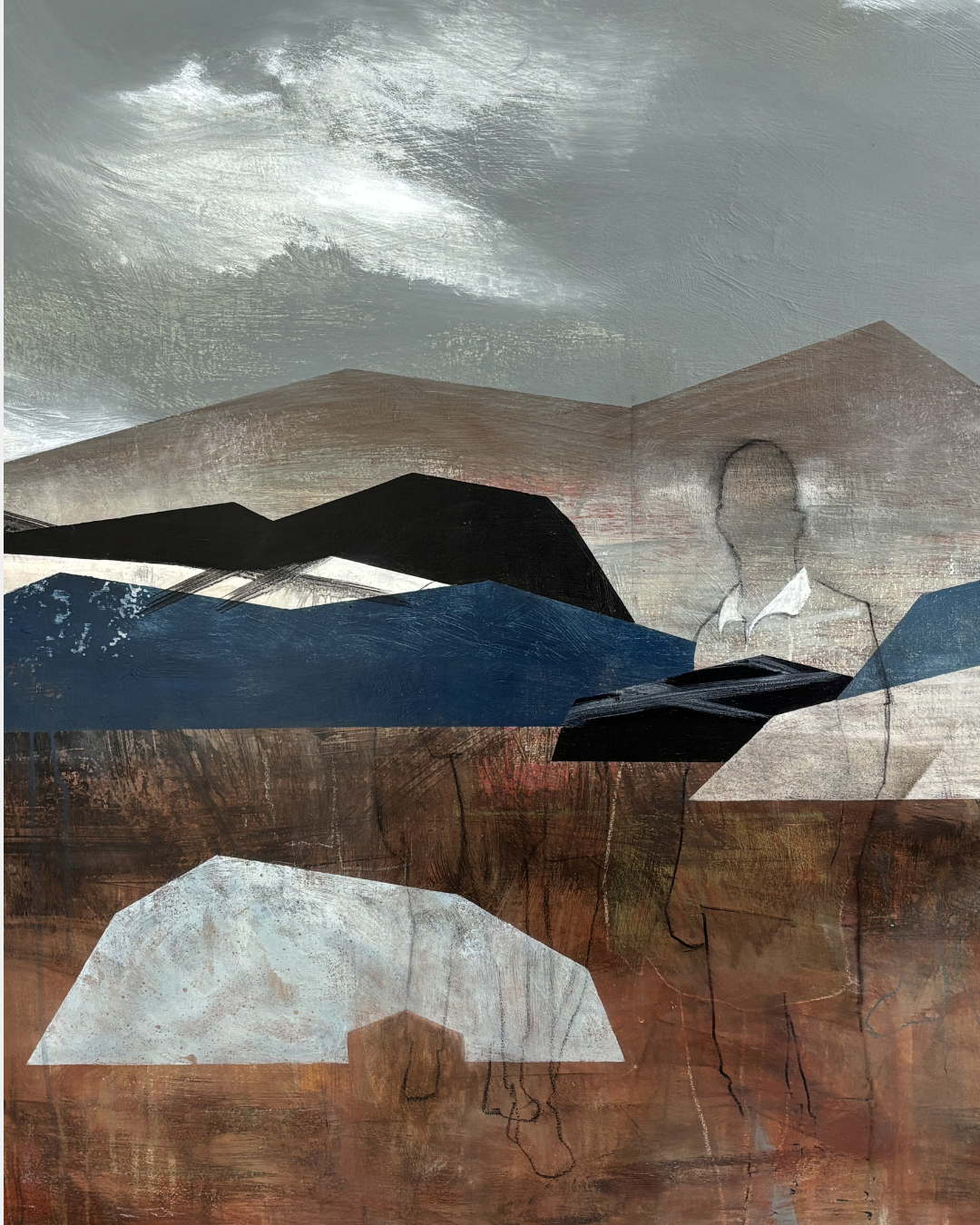 Image 2 of 4
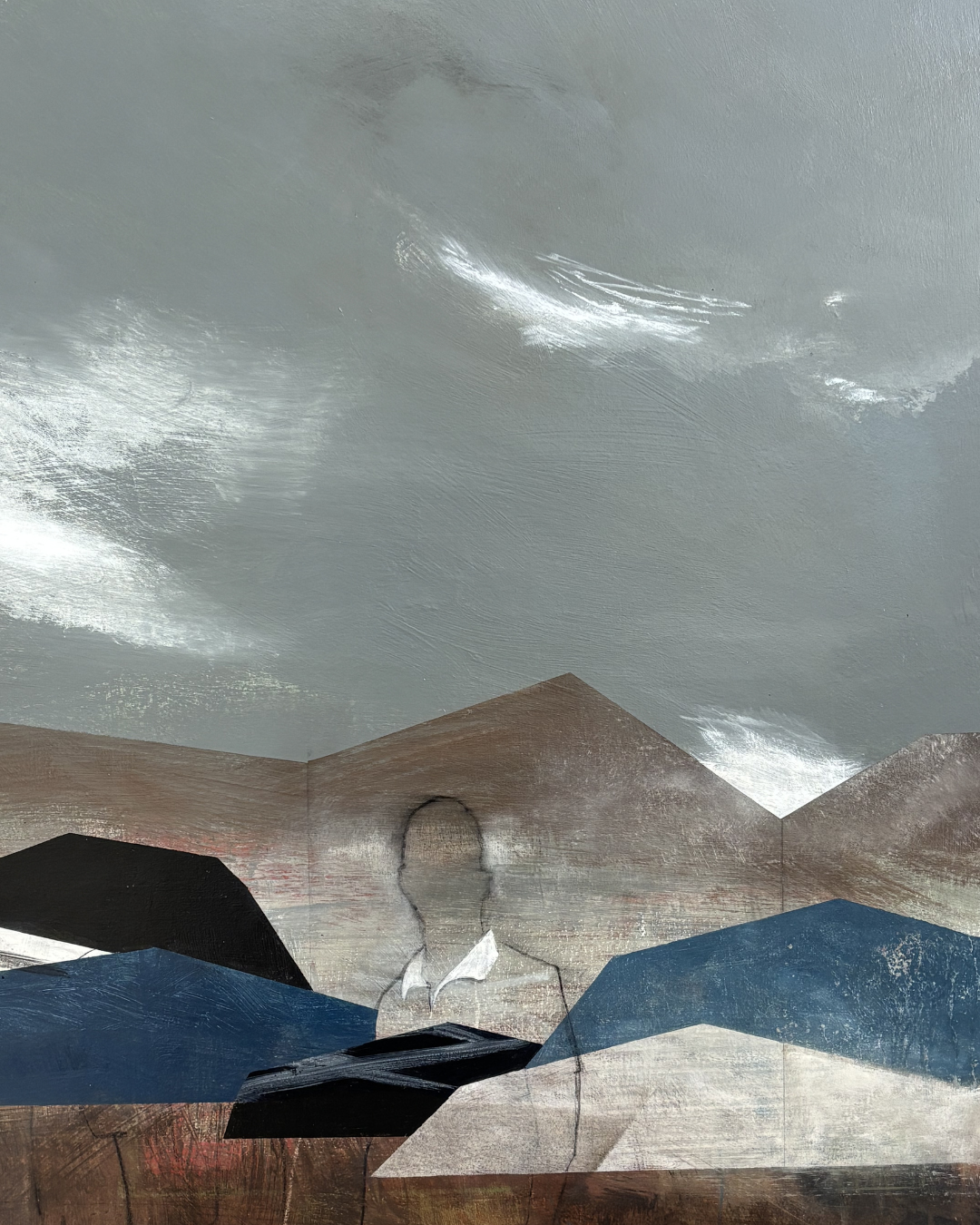 Image 3 of 4
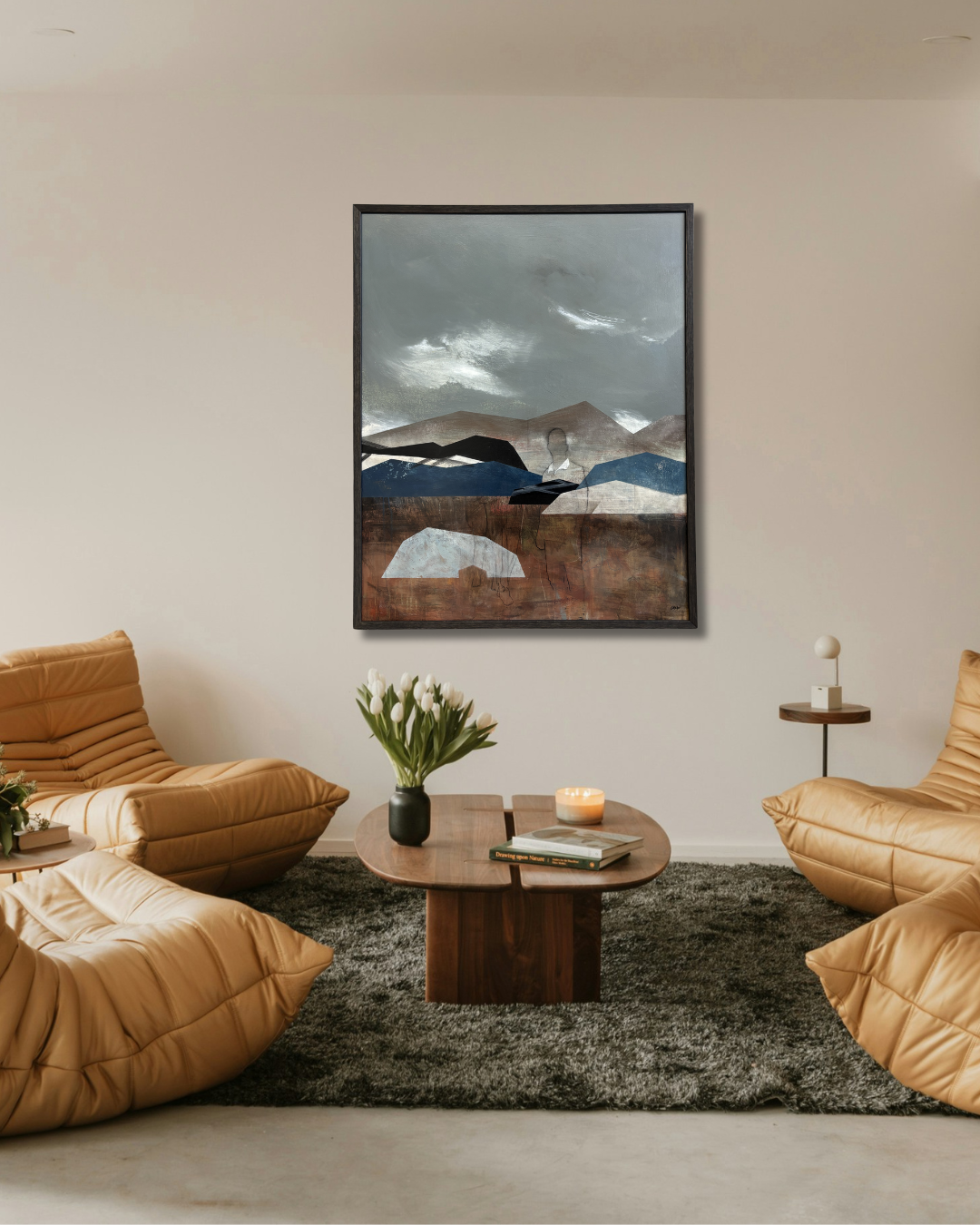 Image 4 of 4
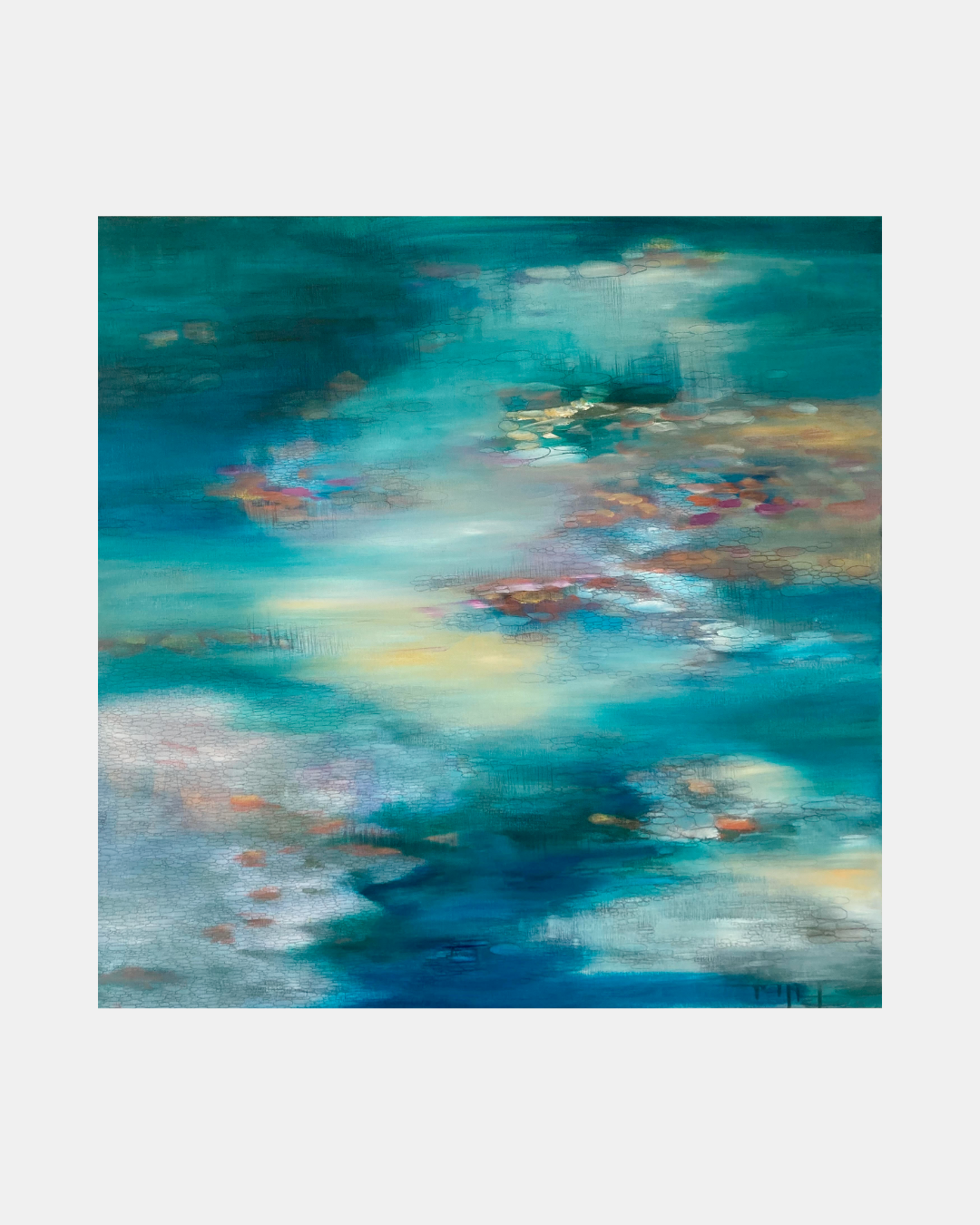
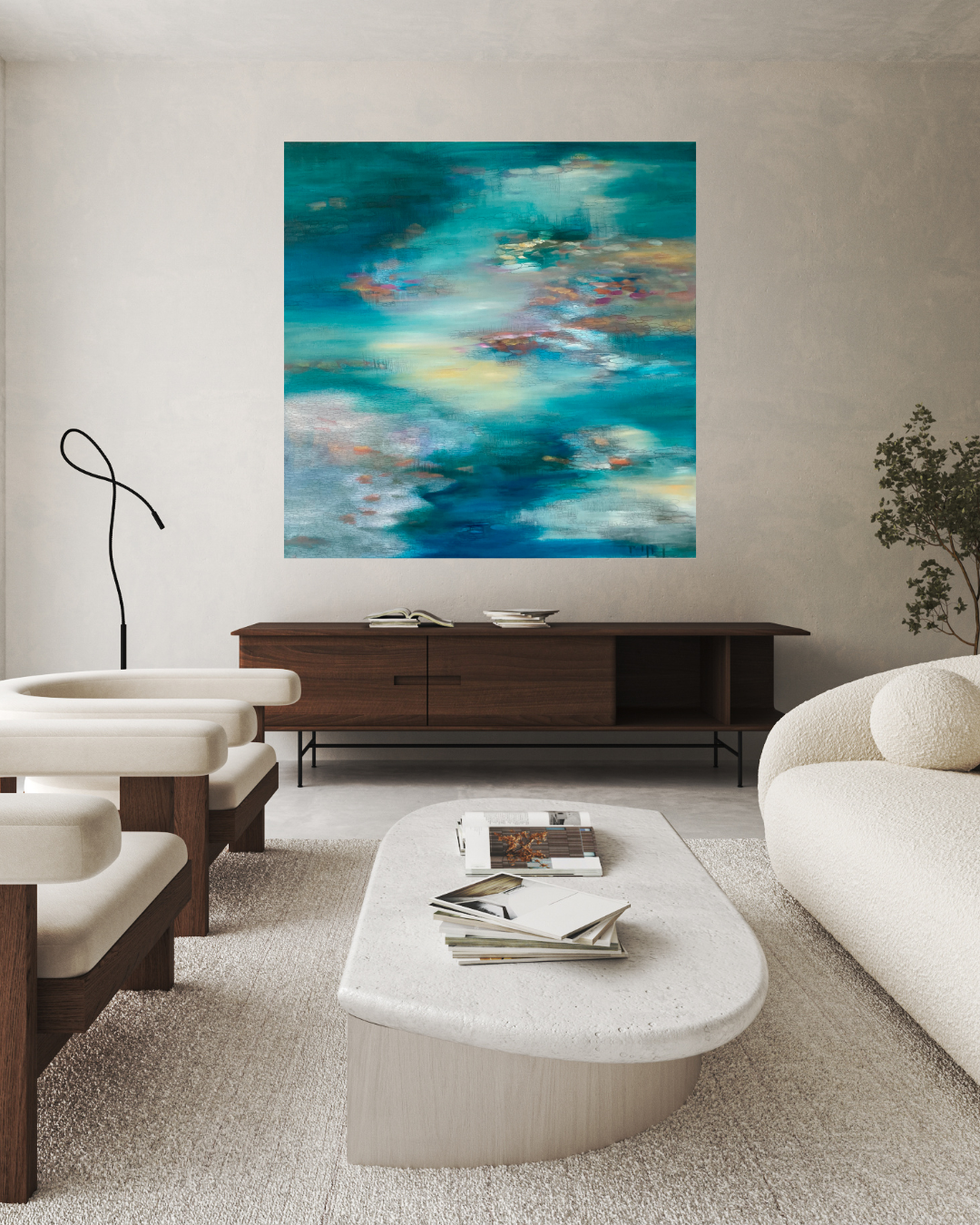
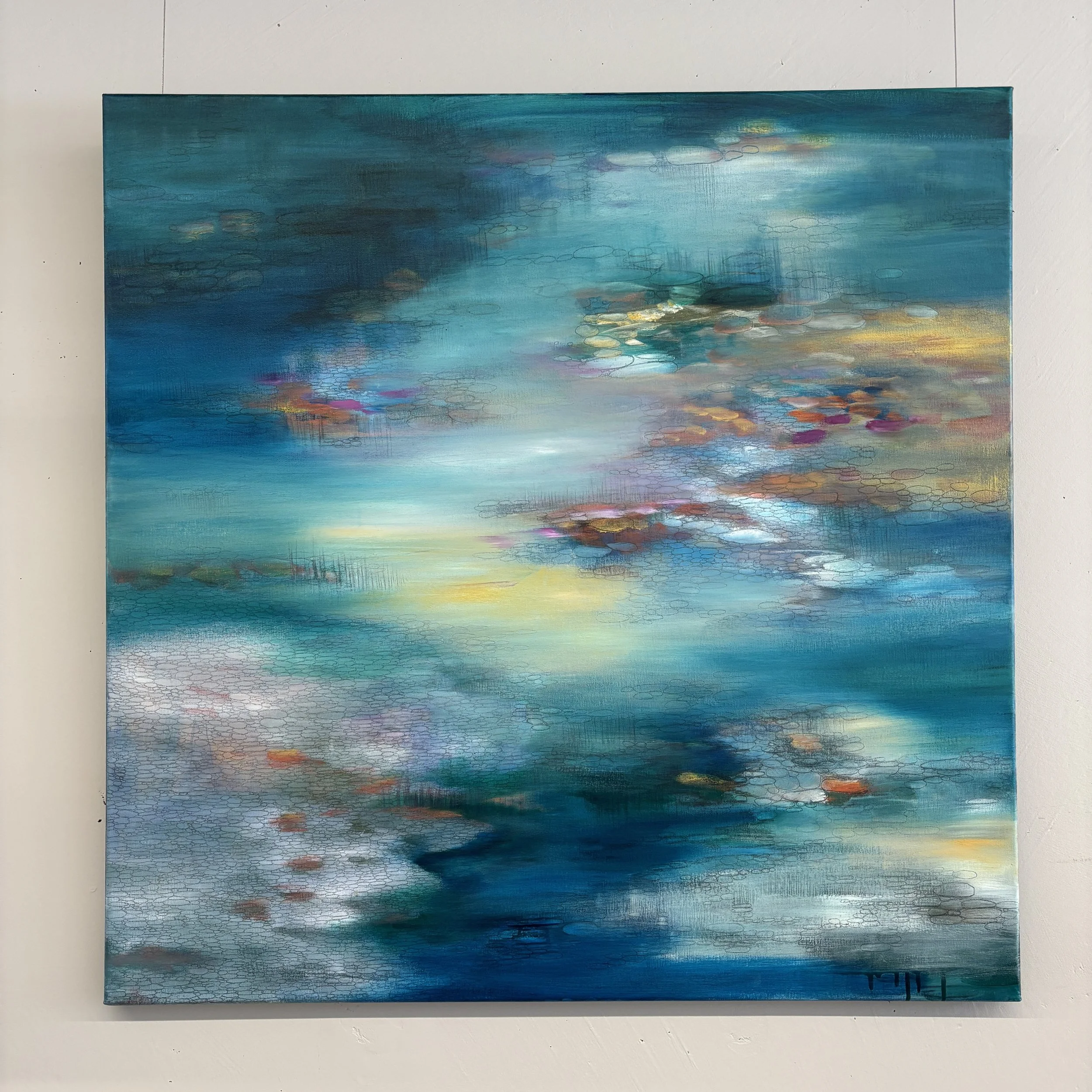
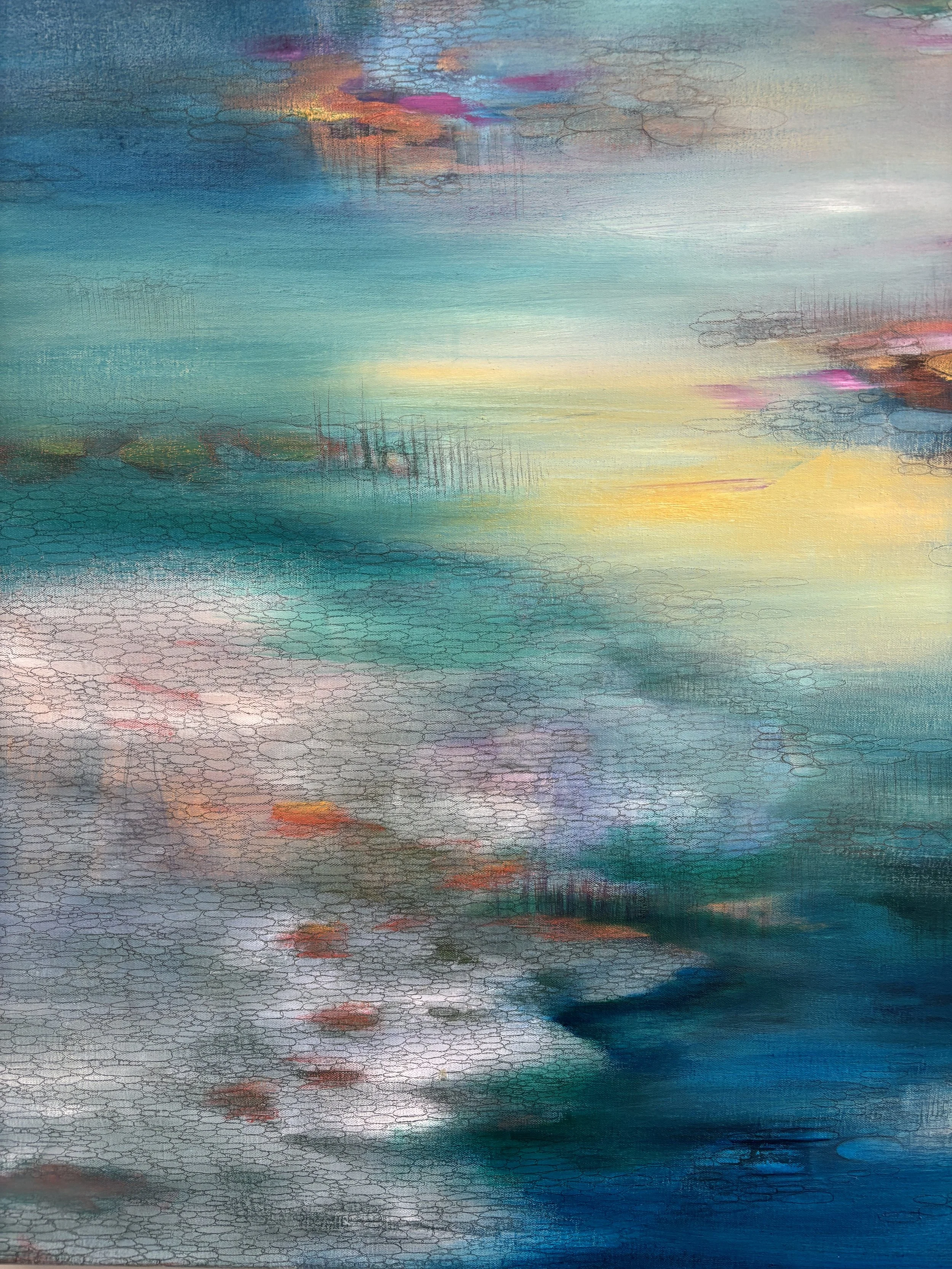
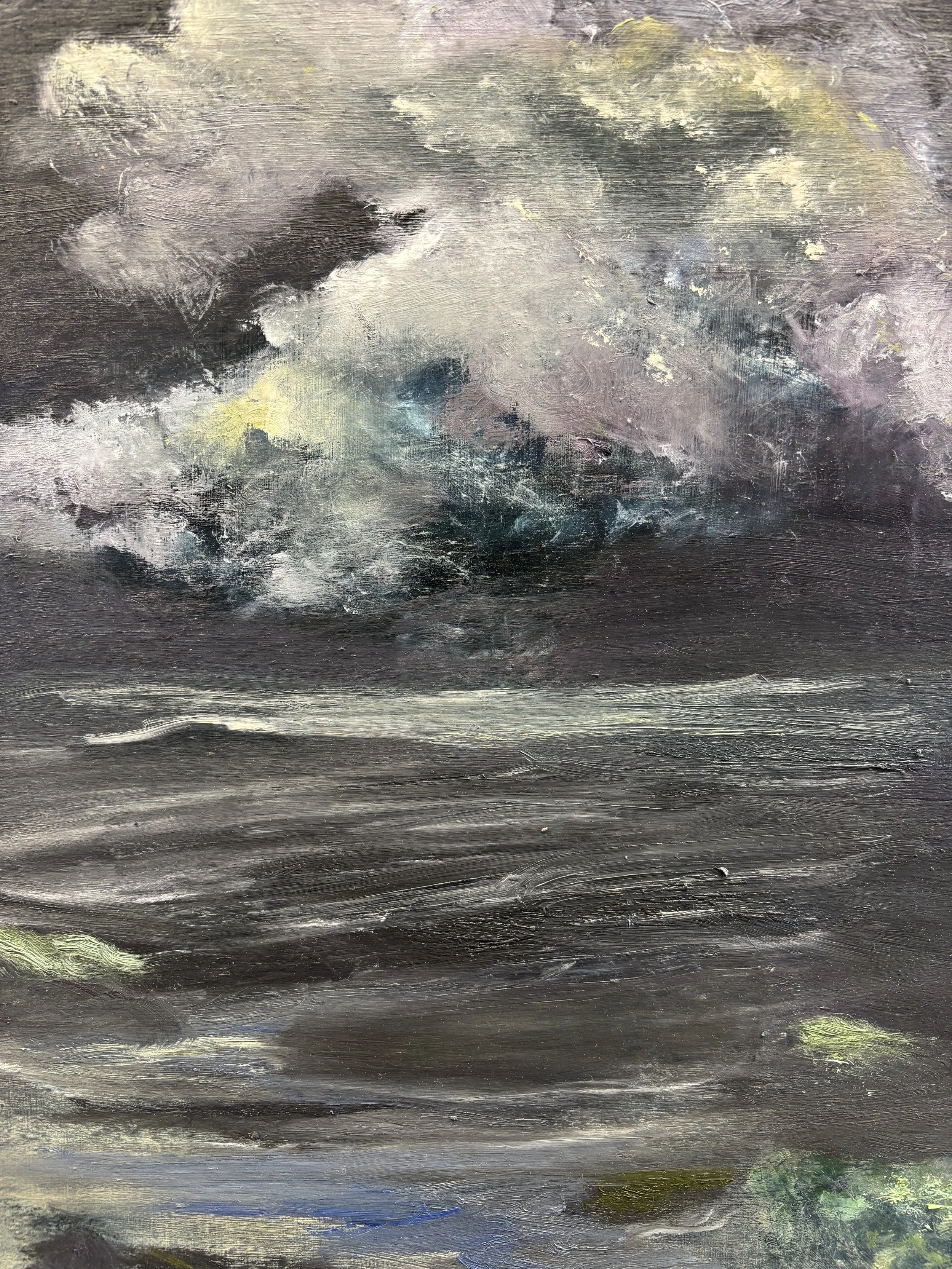
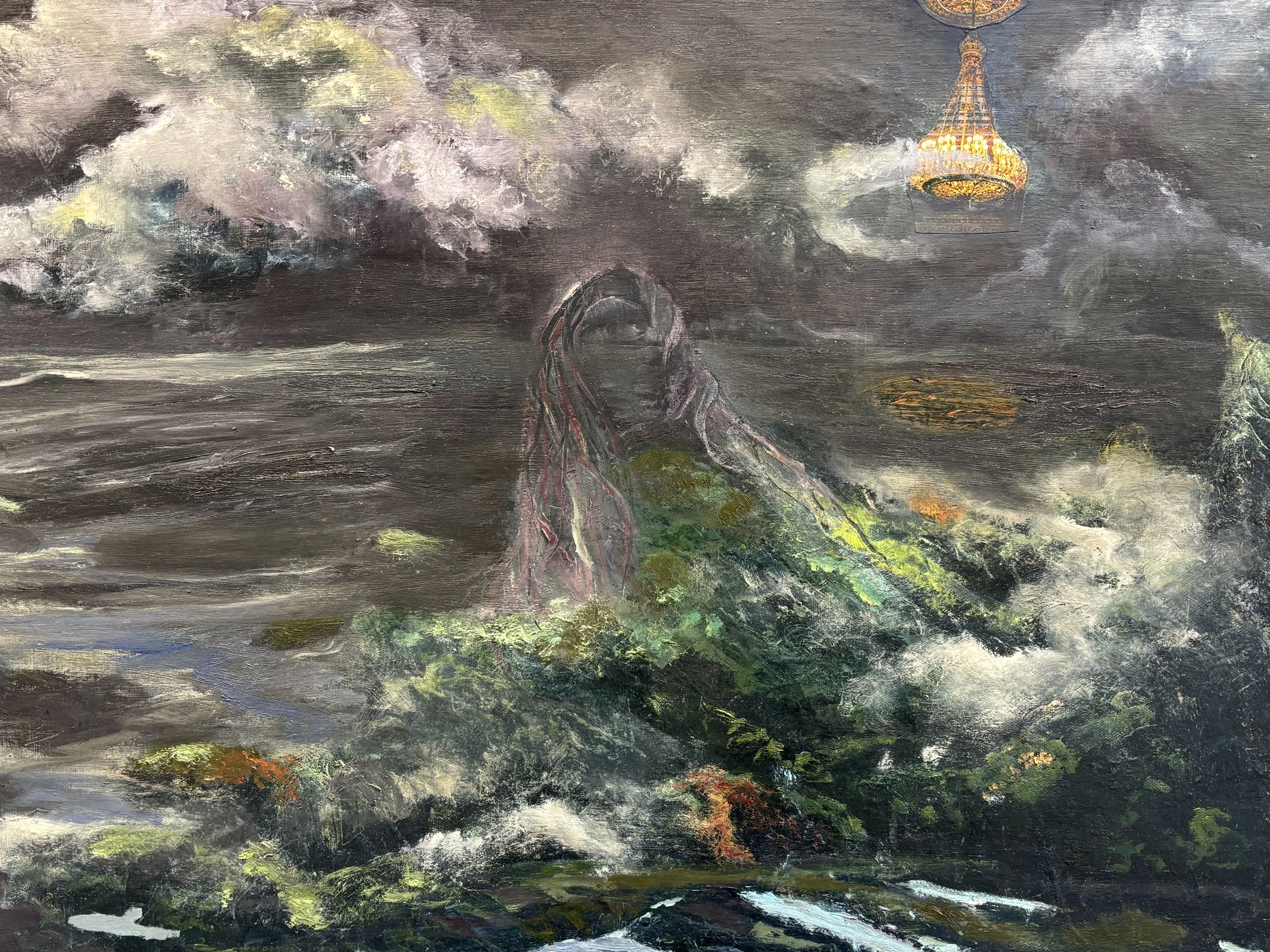
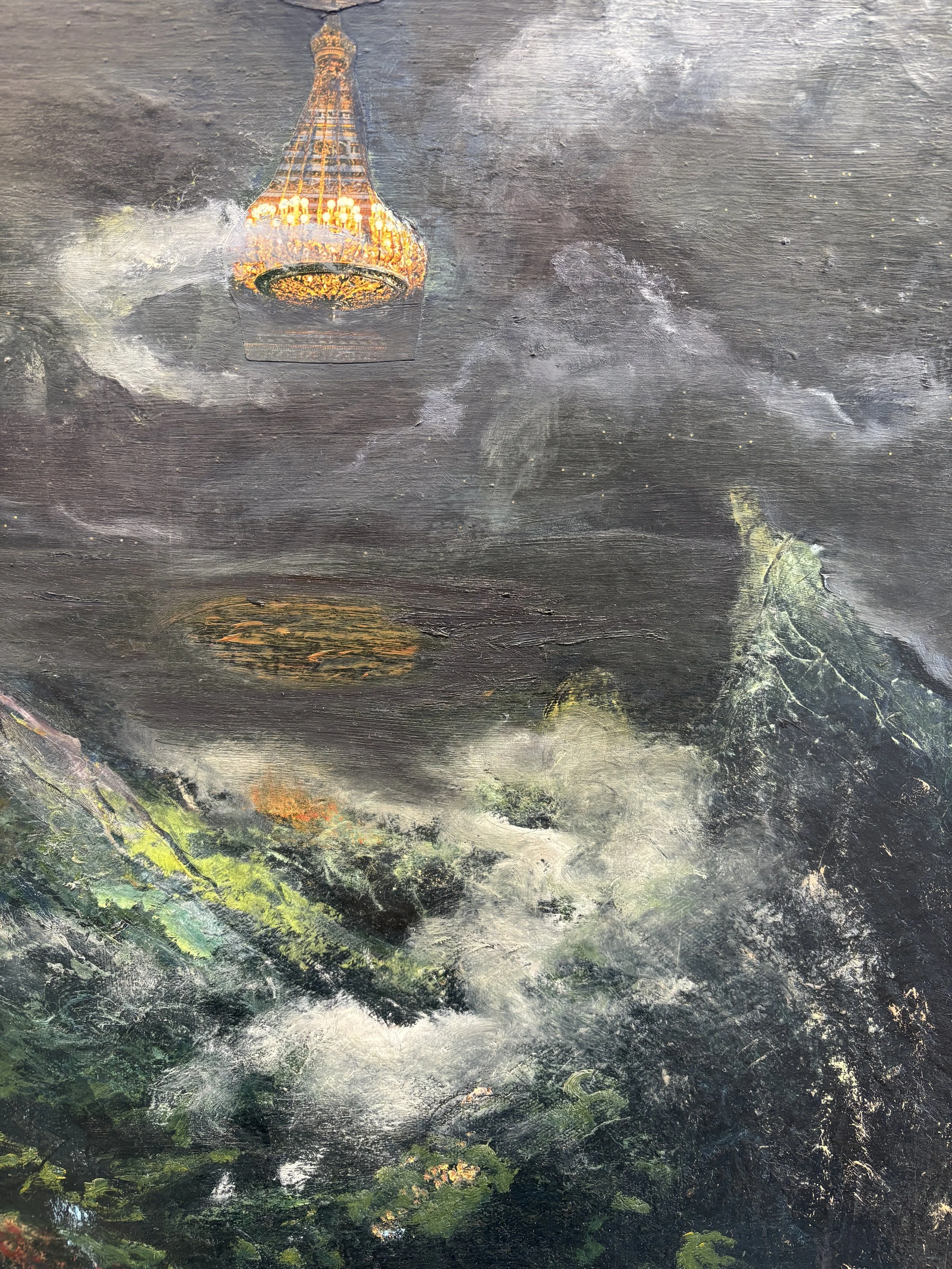
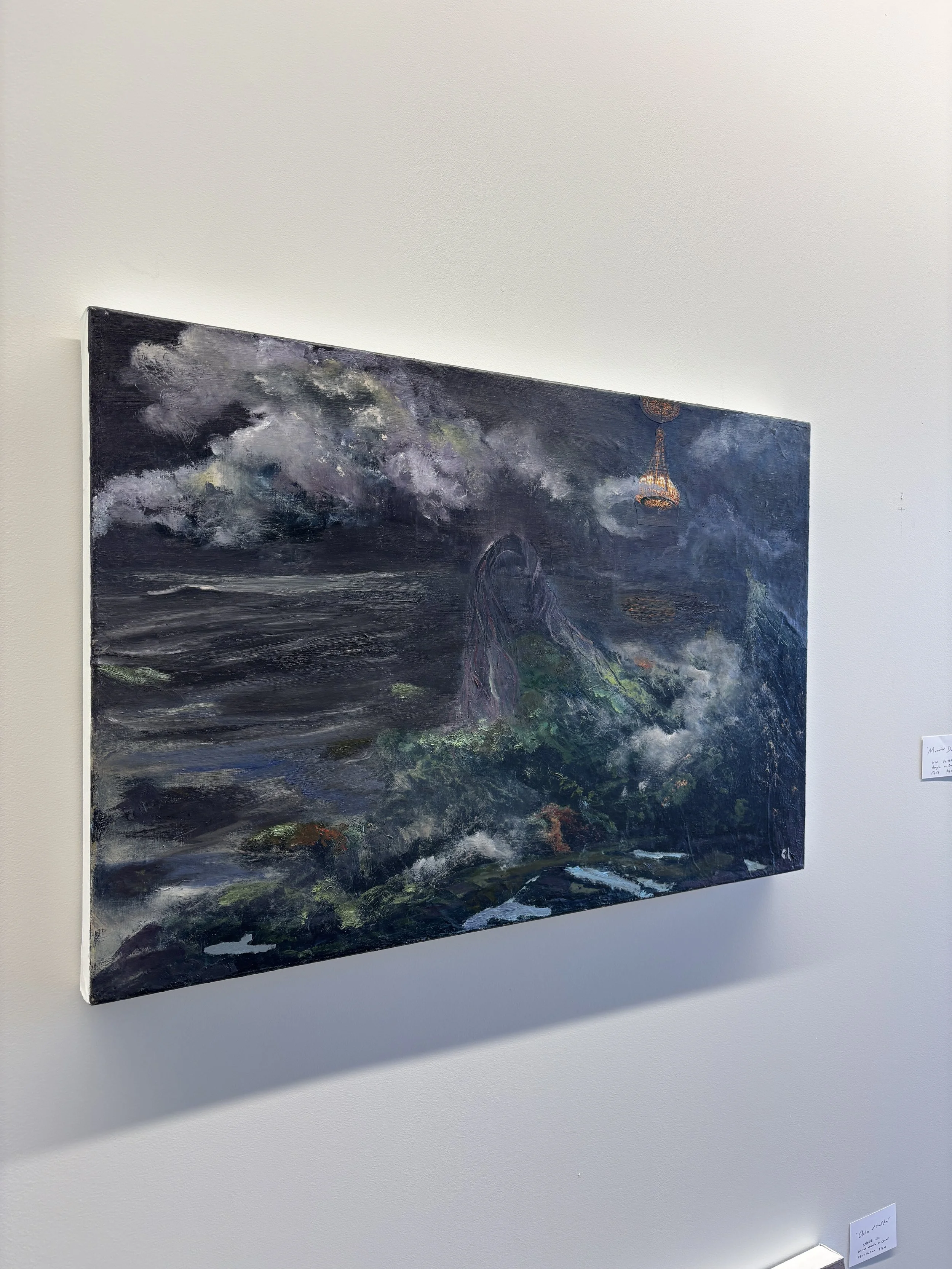
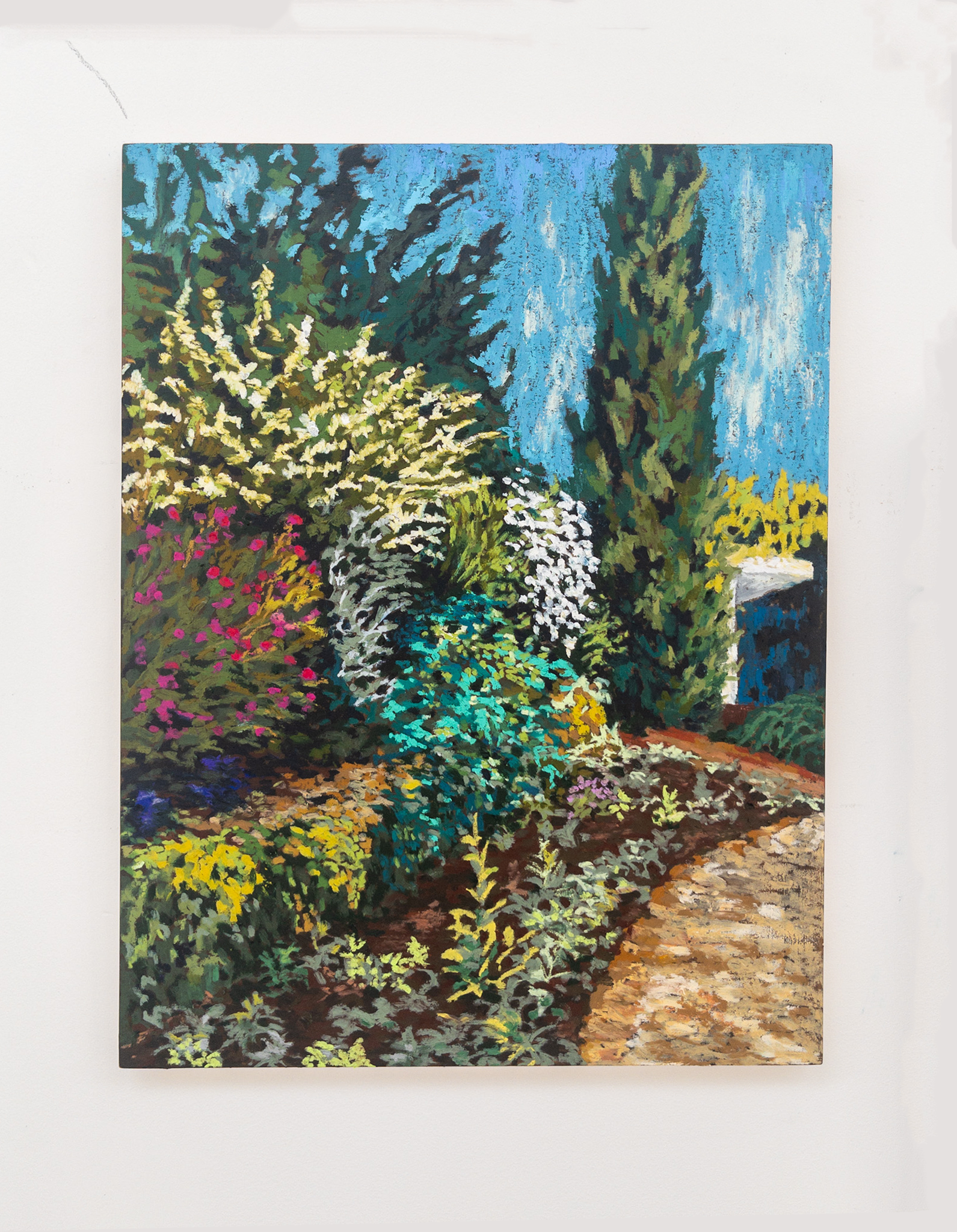
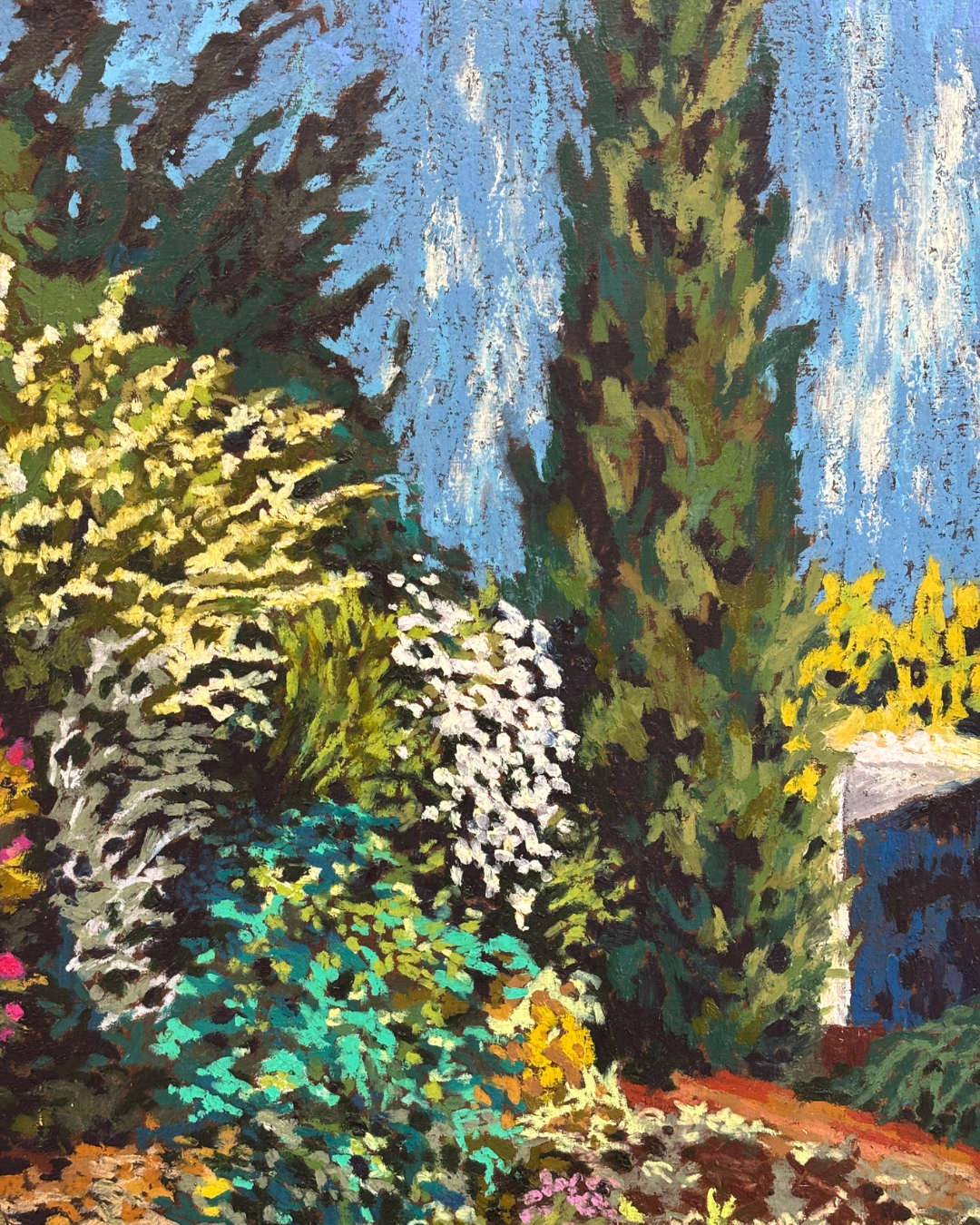
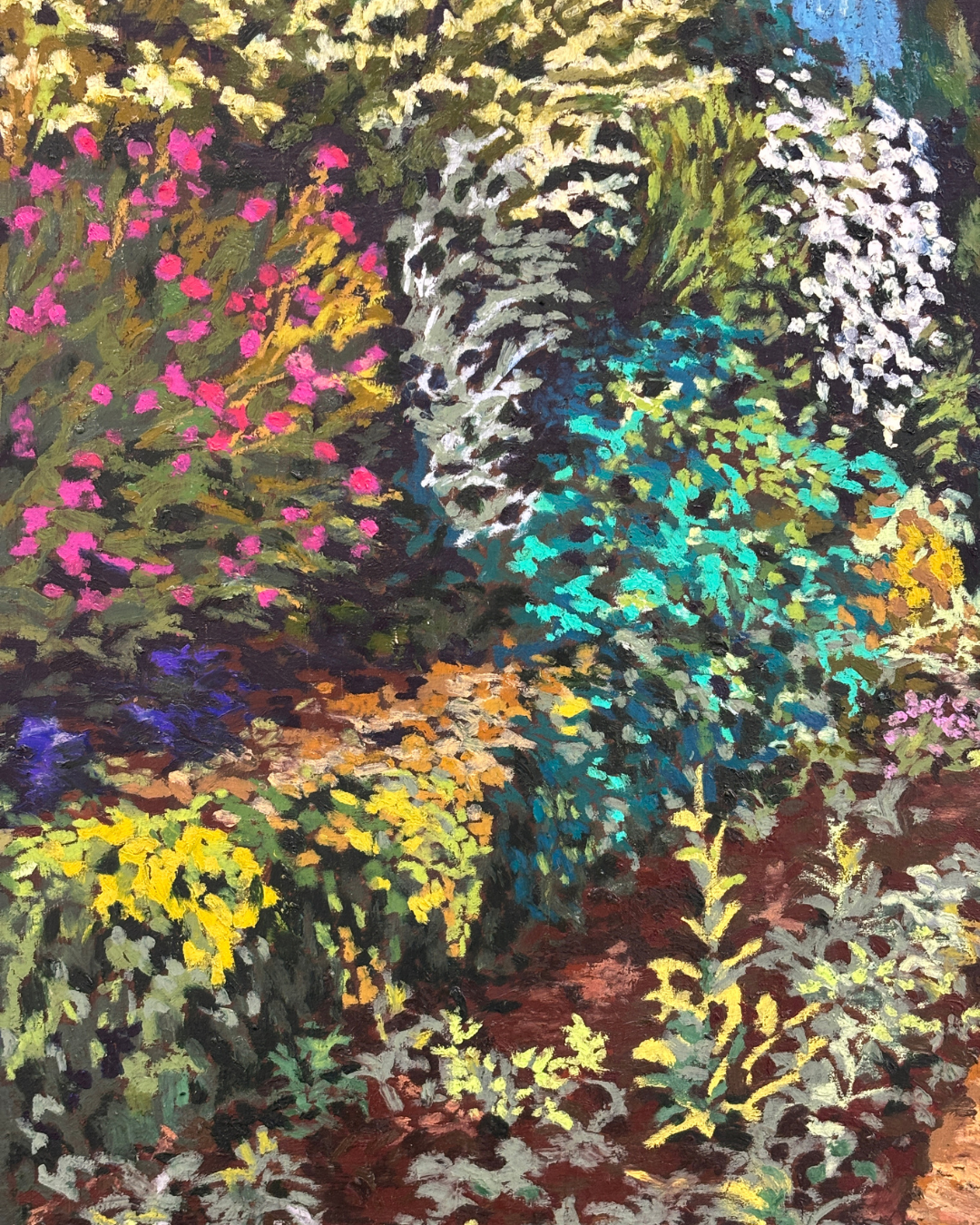
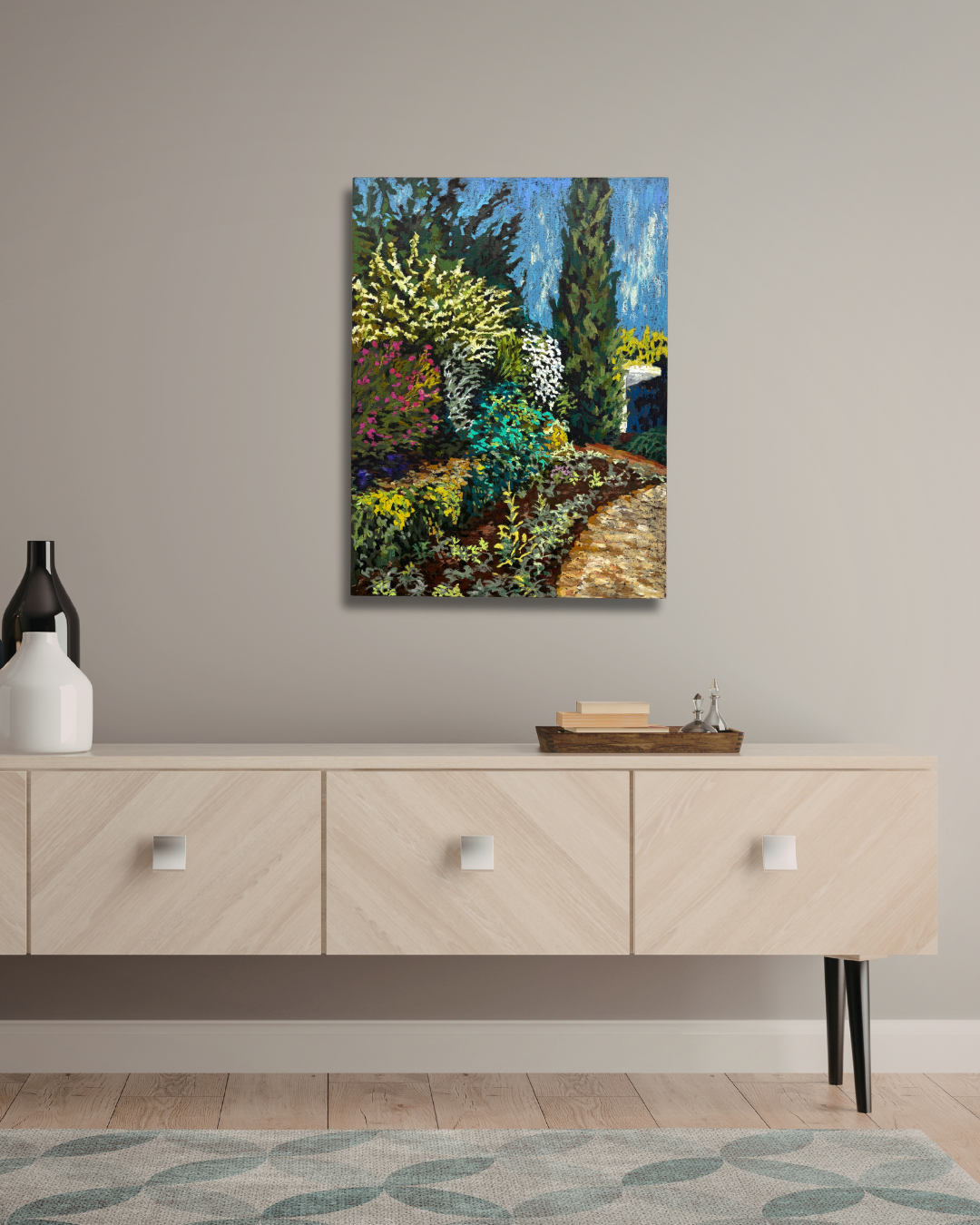
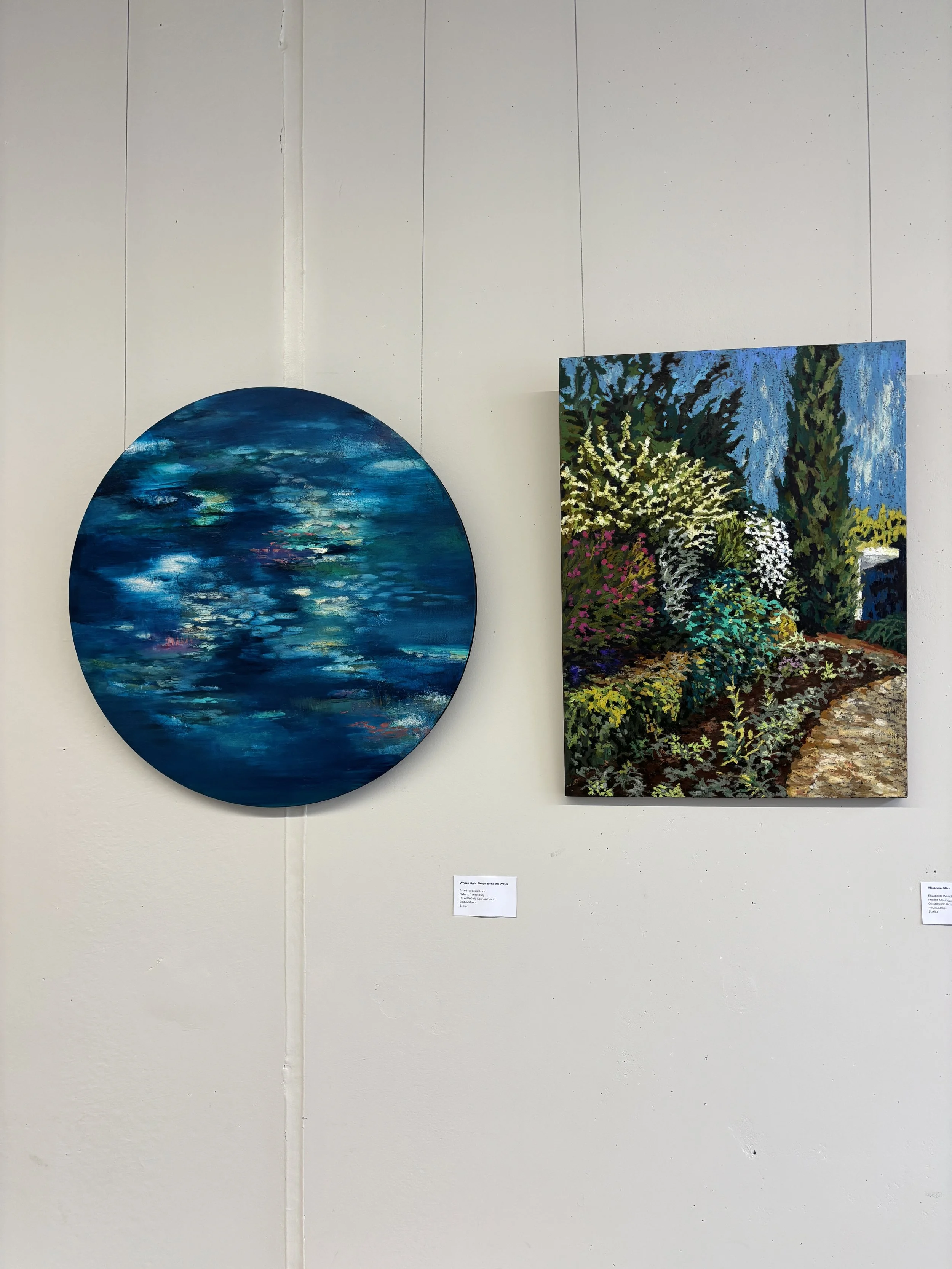
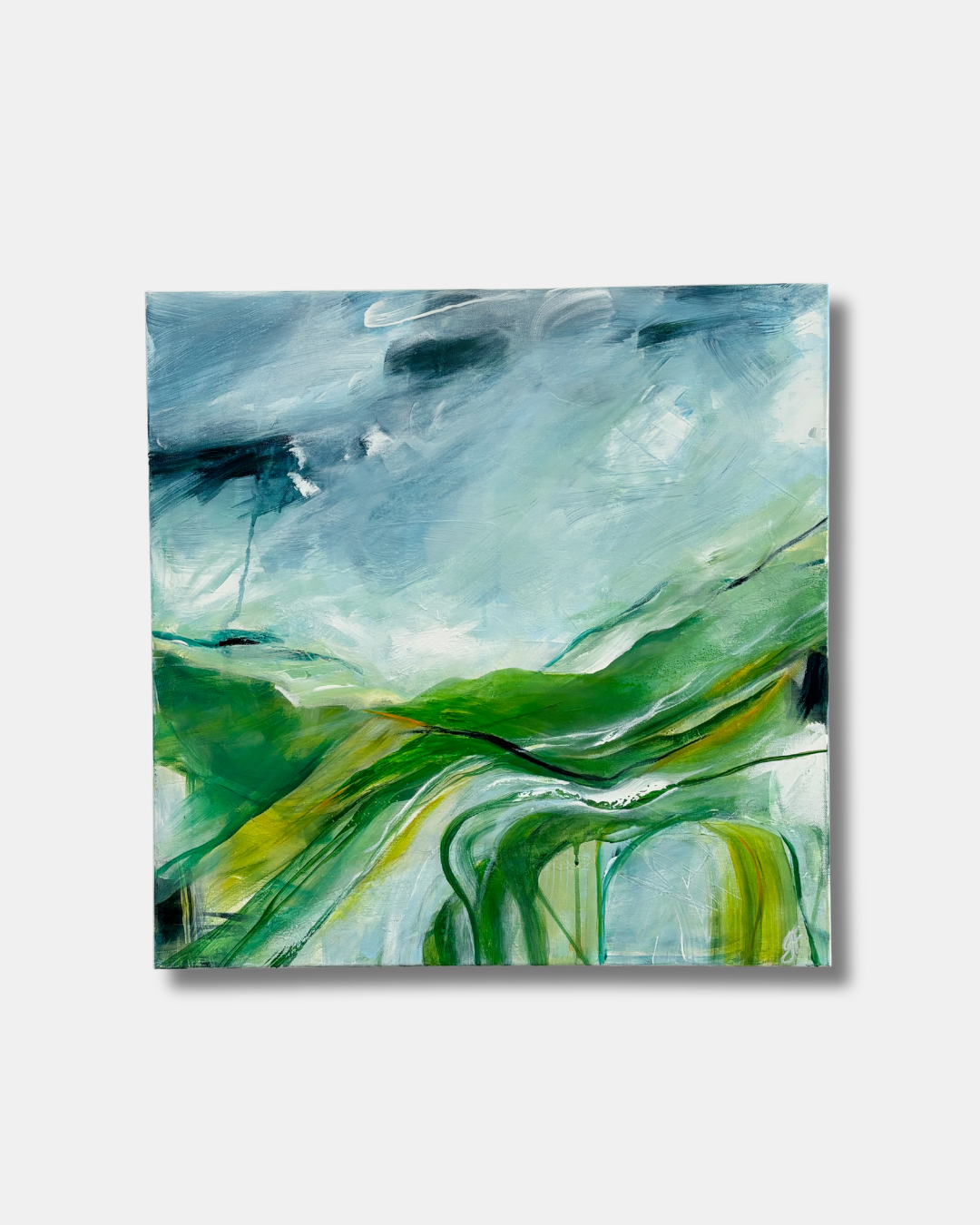
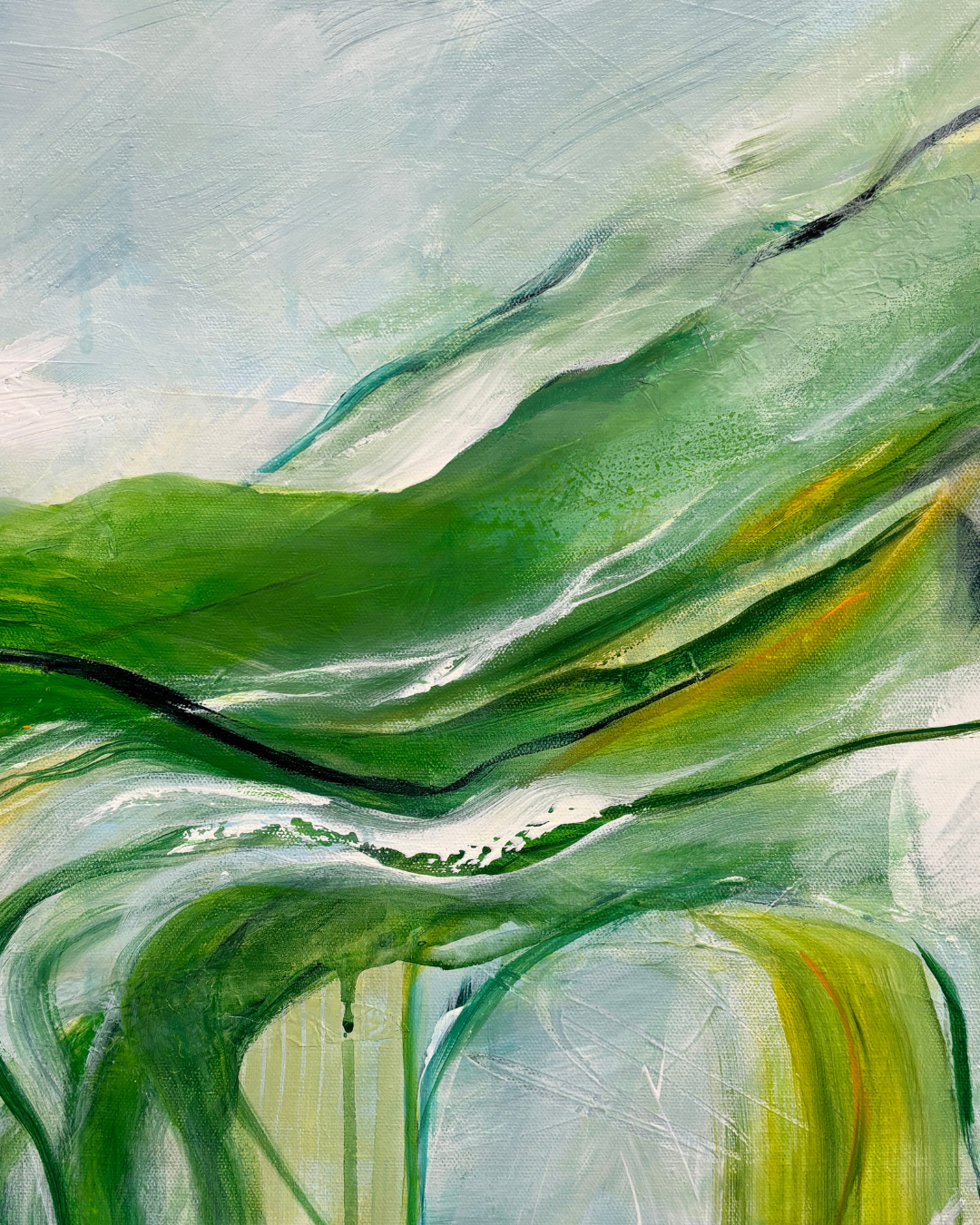
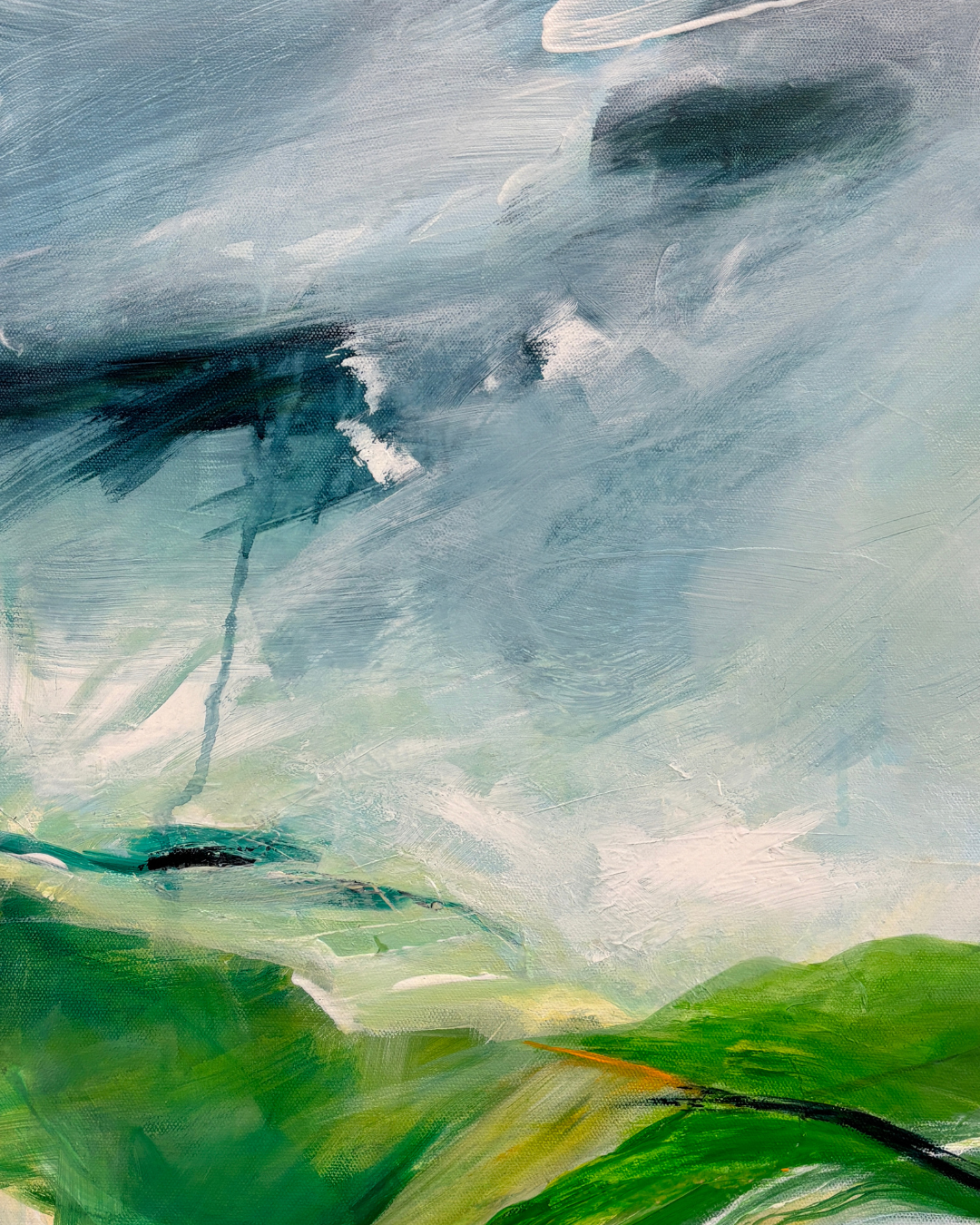
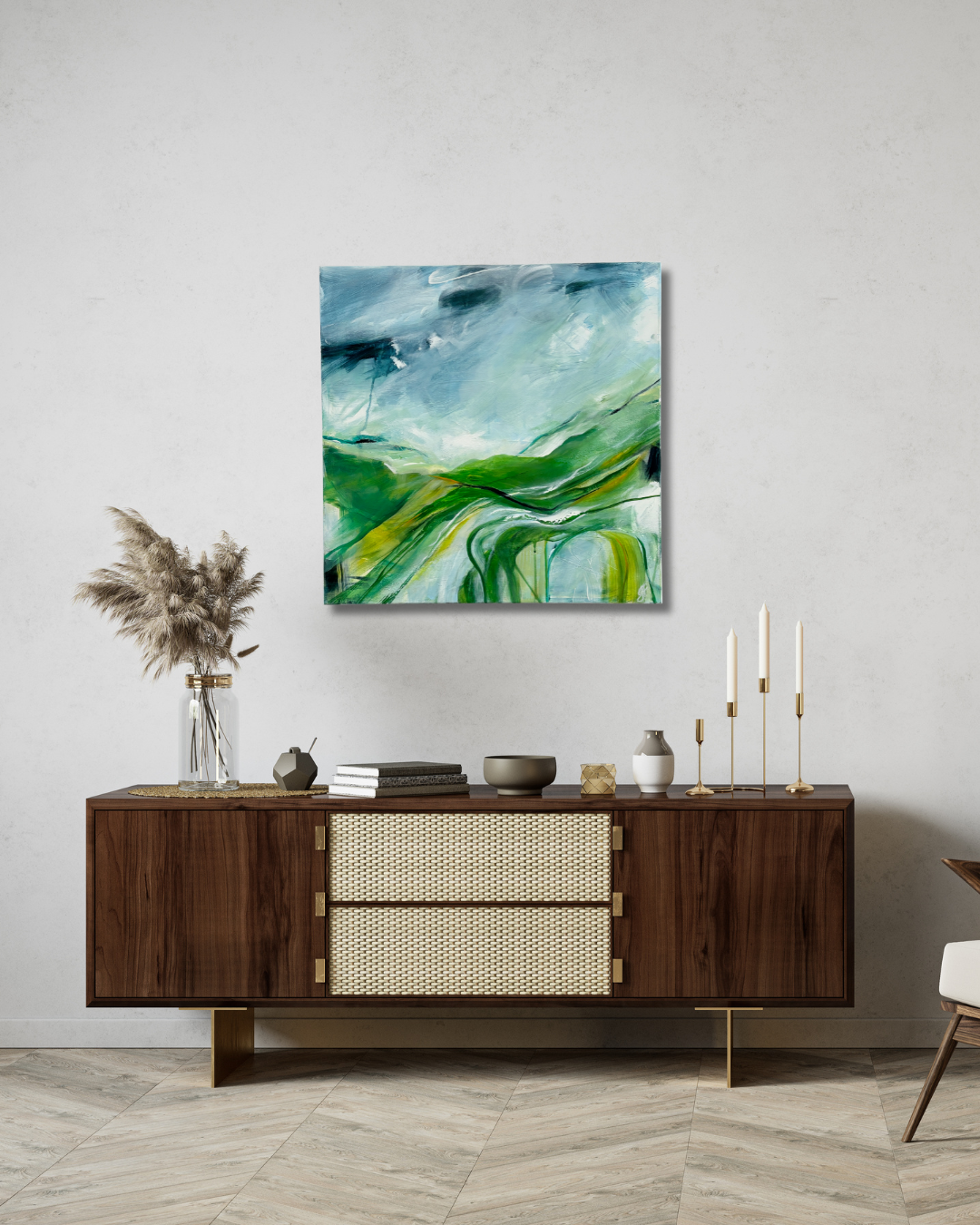
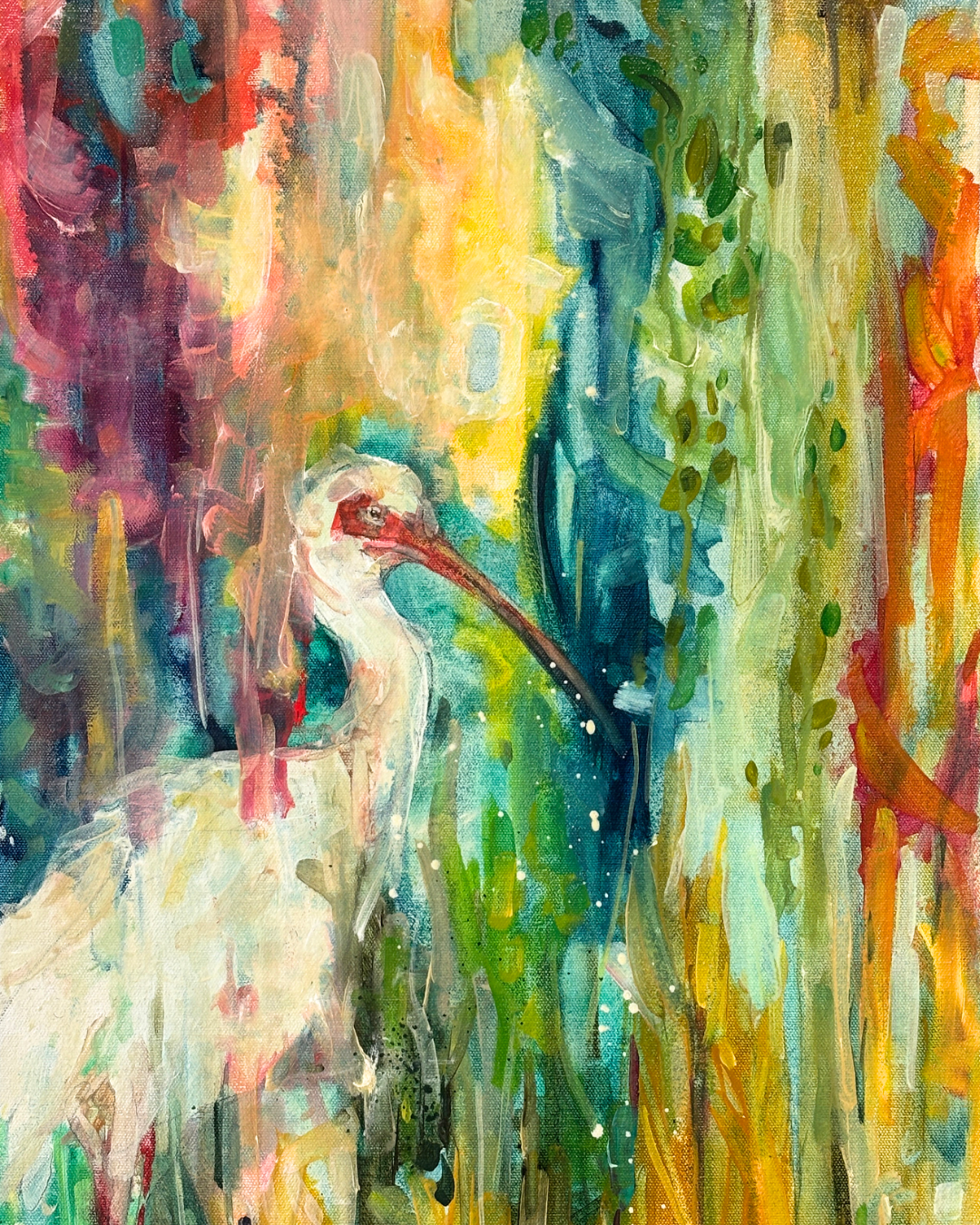
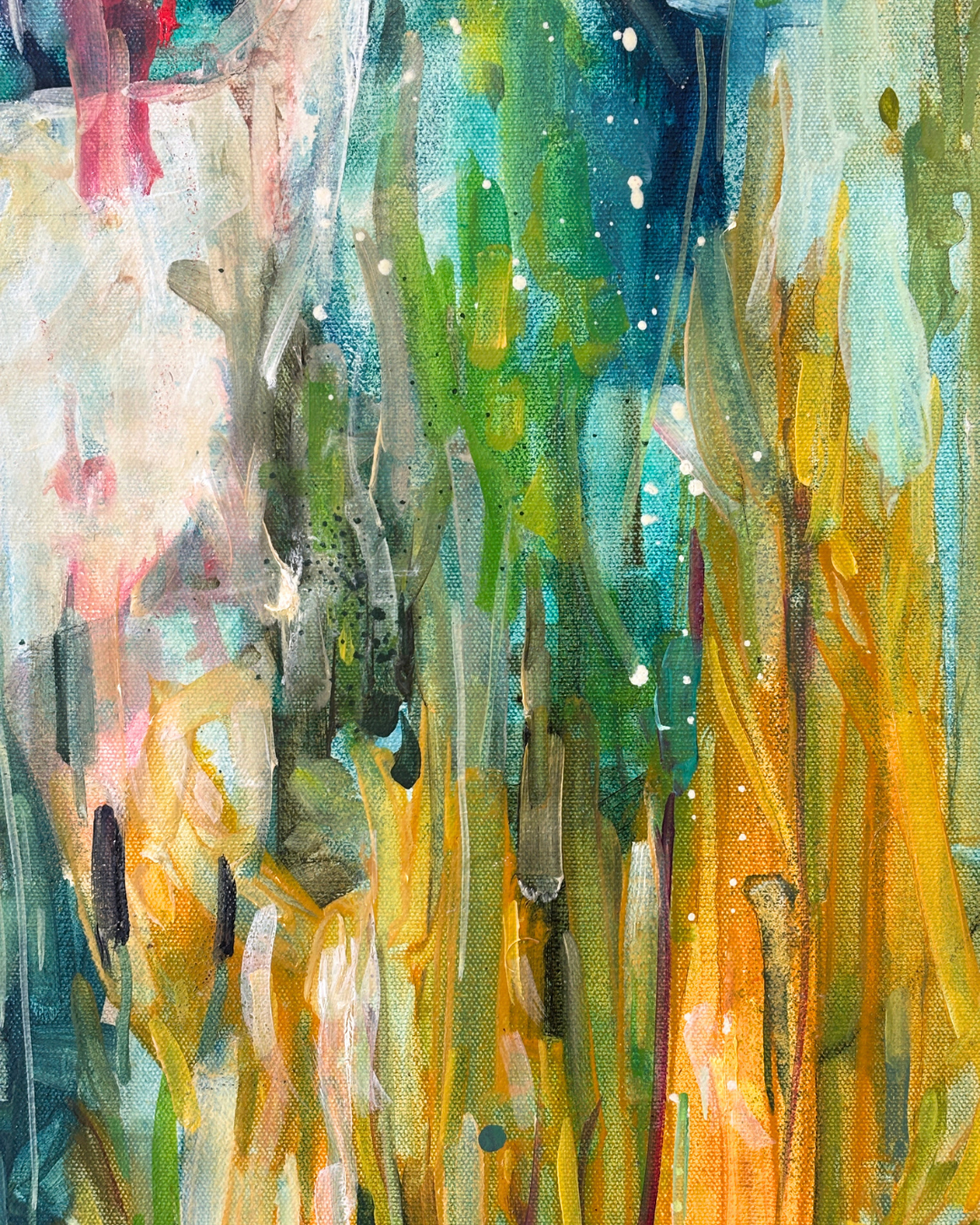
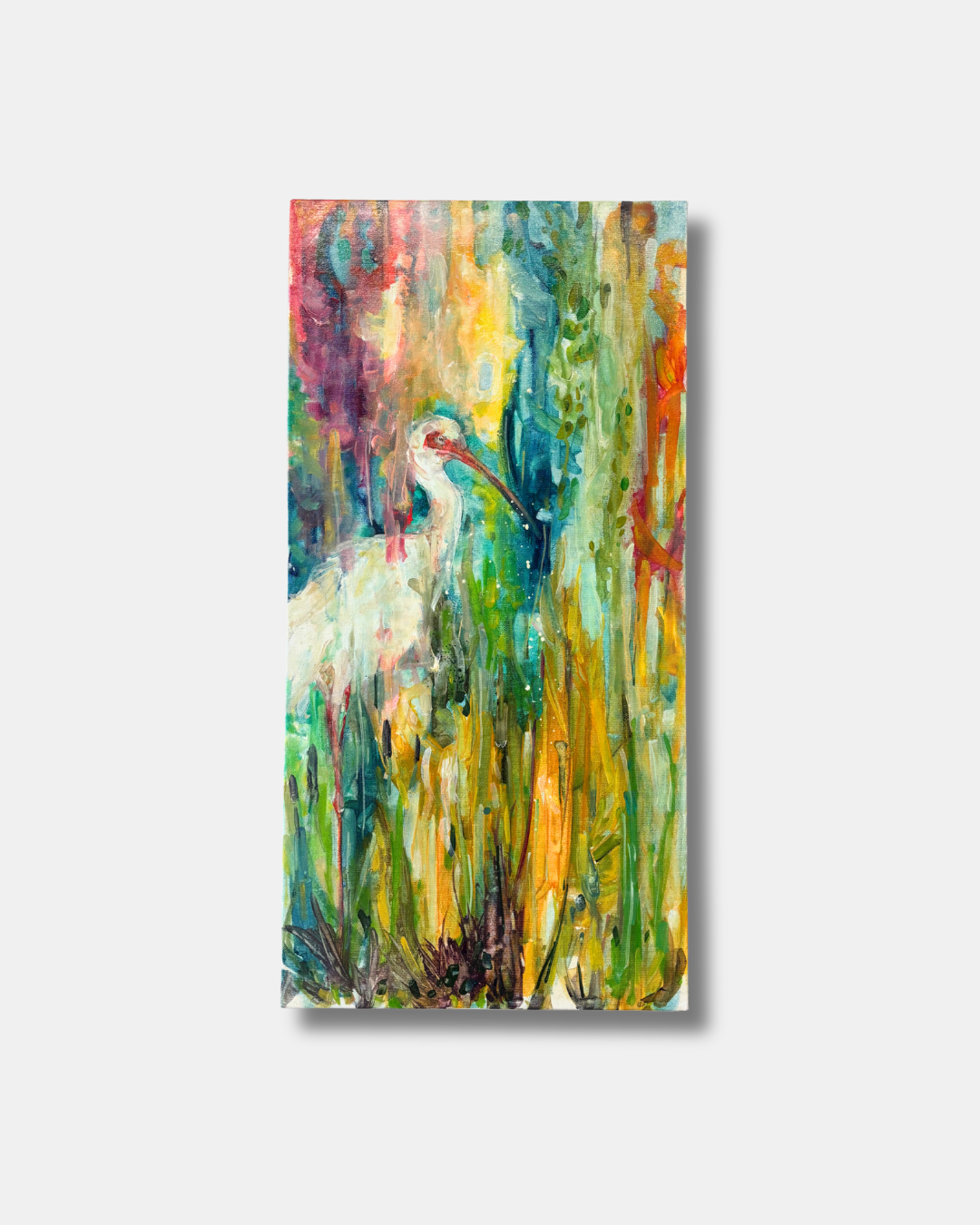
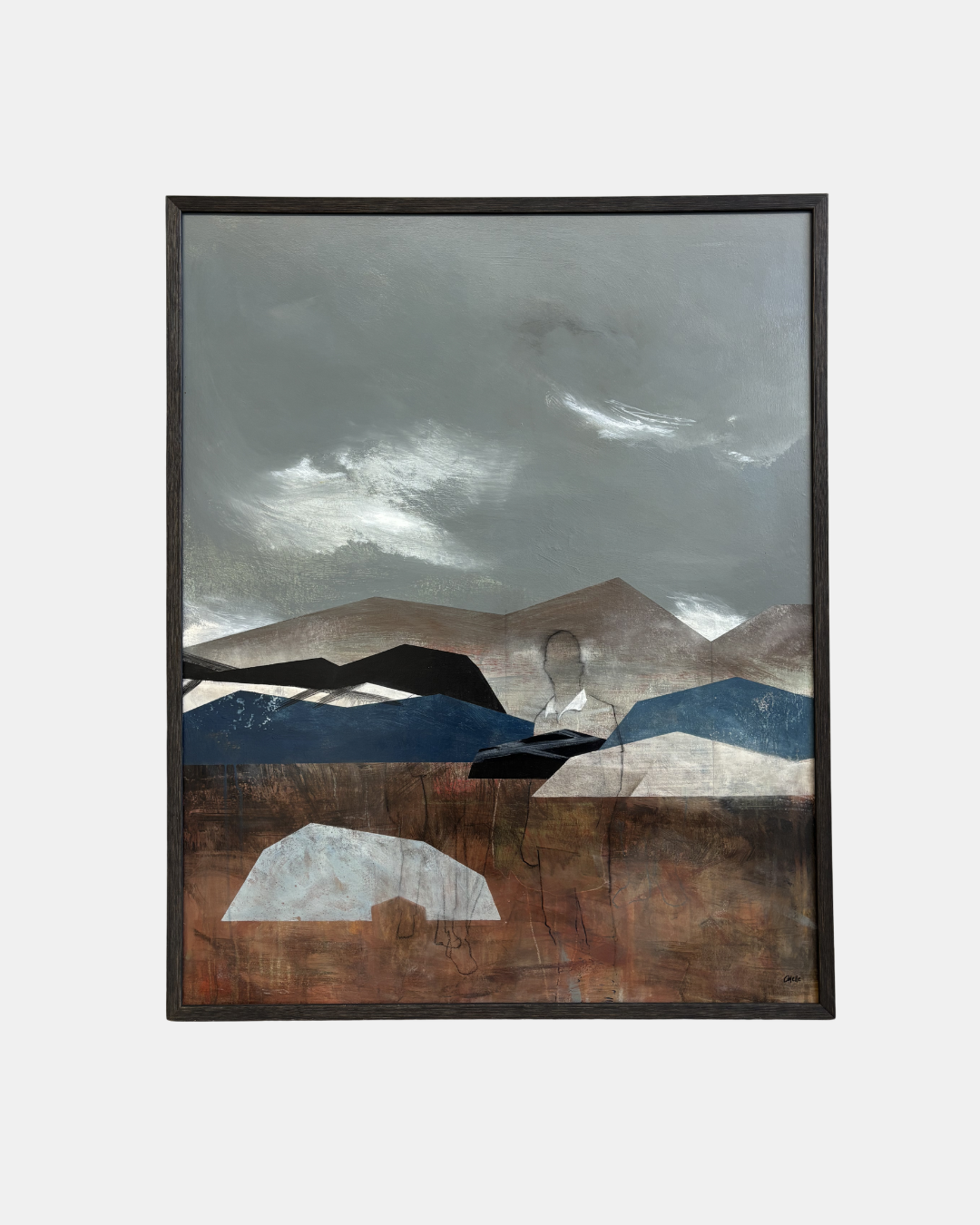
Mixed Media on Board with Timber Frame
830×1030mm
Bannockburn, Central Otago
This painting is part of a larger body of work made in response to a lot of local subdivision of rural land. Development is needed, people need homes and Central Otago is growing. My hope is that the homes are built in a sustainable way and in sympathy to the amazing place we all want to call home.
Odelle Morshuis lives and works from her studio and gallery in Bannockburn, Central Otago. She holds a Master’s degree in Fine Art from Wimbledon Art School, University of London, and a BA in Art History and Design from the University of Otago.
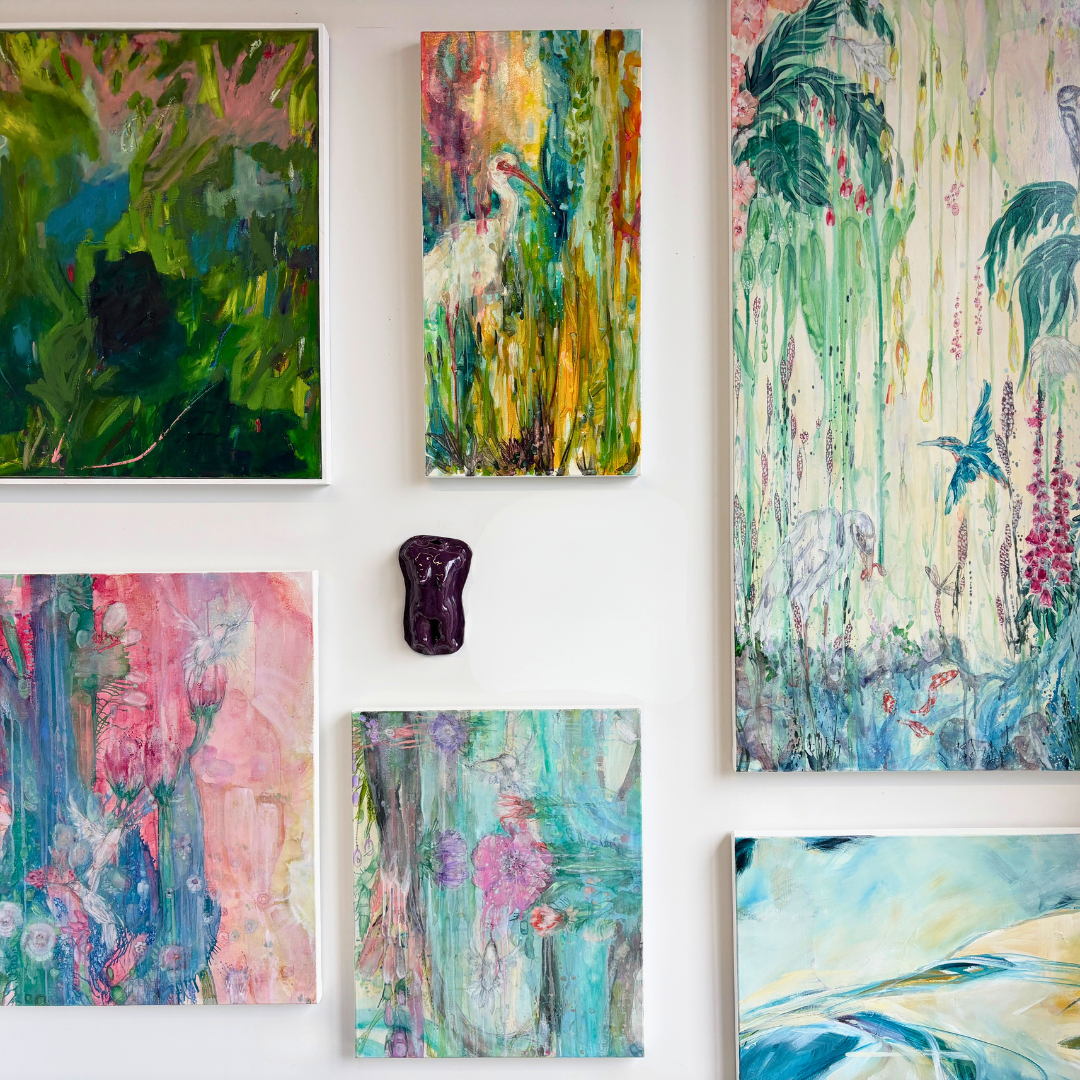
Her practice explores landscape, identity, and the subtle psychological space between people and place. Working across painting and sculpture, Morshuis adopts a process-led, material-driven approach, allowing each work to evolve through layering, erasing, rebuilding, and intuitive response. Meaning emerges through making, guided by the behaviour of materials as much as by intention.
Her imagery is characterised by outlined human figures that hover between presence and disappearance, often dissolving into their surroundings. These figures overlap and fragment, suggesting movement, memory, and the fluid nature of lived experience. Landscapes shift and destabilise—horizons tilt, forms break apart, and space becomes uncertain—reflecting the complexities of belonging and perception. Morshuis treats landscape as a lived encounter rather than a fixed view. Moments of place operate as memory triggers, where light, distance, and atmosphere carry emotional weight.
Recent works introduce ceramic and steel figures that explore the tension between fragility and permanence. In Accumulation, a genderless clay head and torso sit above a steel framework populated by roughly cut abstract forms. The clay surface records touch directly, holding impressions of other figures like residual traces of contact—echoes of memory and relationship. The work suggests identity as something formed through proximity, imprint, and exchange. Positive and negative space are held in balance, with absence functioning as an active presence, reflecting on embodiment, connection, and the ways experience is carried within the body.
Collect with Confidence
Personalised interest-free payment plans are available on selected artworks.
Mixed Media on Board with Timber Frame
830×1030mm
Bannockburn, Central Otago
This painting is part of a larger body of work made in response to a lot of local subdivision of rural land. Development is needed, people need homes and Central Otago is growing. My hope is that the homes are built in a sustainable way and in sympathy to the amazing place we all want to call home.
Odelle Morshuis lives and works from her studio and gallery in Bannockburn, Central Otago. She holds a Master’s degree in Fine Art from Wimbledon Art School, University of London, and a BA in Art History and Design from the University of Otago.
Her practice explores landscape, identity, and the subtle psychological space between people and place. Working across painting and sculpture, Morshuis adopts a process-led, material-driven approach, allowing each work to evolve through layering, erasing, rebuilding, and intuitive response. Meaning emerges through making, guided by the behaviour of materials as much as by intention.
Her imagery is characterised by outlined human figures that hover between presence and disappearance, often dissolving into their surroundings. These figures overlap and fragment, suggesting movement, memory, and the fluid nature of lived experience. Landscapes shift and destabilise—horizons tilt, forms break apart, and space becomes uncertain—reflecting the complexities of belonging and perception. Morshuis treats landscape as a lived encounter rather than a fixed view. Moments of place operate as memory triggers, where light, distance, and atmosphere carry emotional weight.
Recent works introduce ceramic and steel figures that explore the tension between fragility and permanence. In Accumulation, a genderless clay head and torso sit above a steel framework populated by roughly cut abstract forms. The clay surface records touch directly, holding impressions of other figures like residual traces of contact—echoes of memory and relationship. The work suggests identity as something formed through proximity, imprint, and exchange. Positive and negative space are held in balance, with absence functioning as an active presence, reflecting on embodiment, connection, and the ways experience is carried within the body.
Collect with Confidence
Personalised interest-free payment plans are available on selected artworks.