 Image 1 of 2
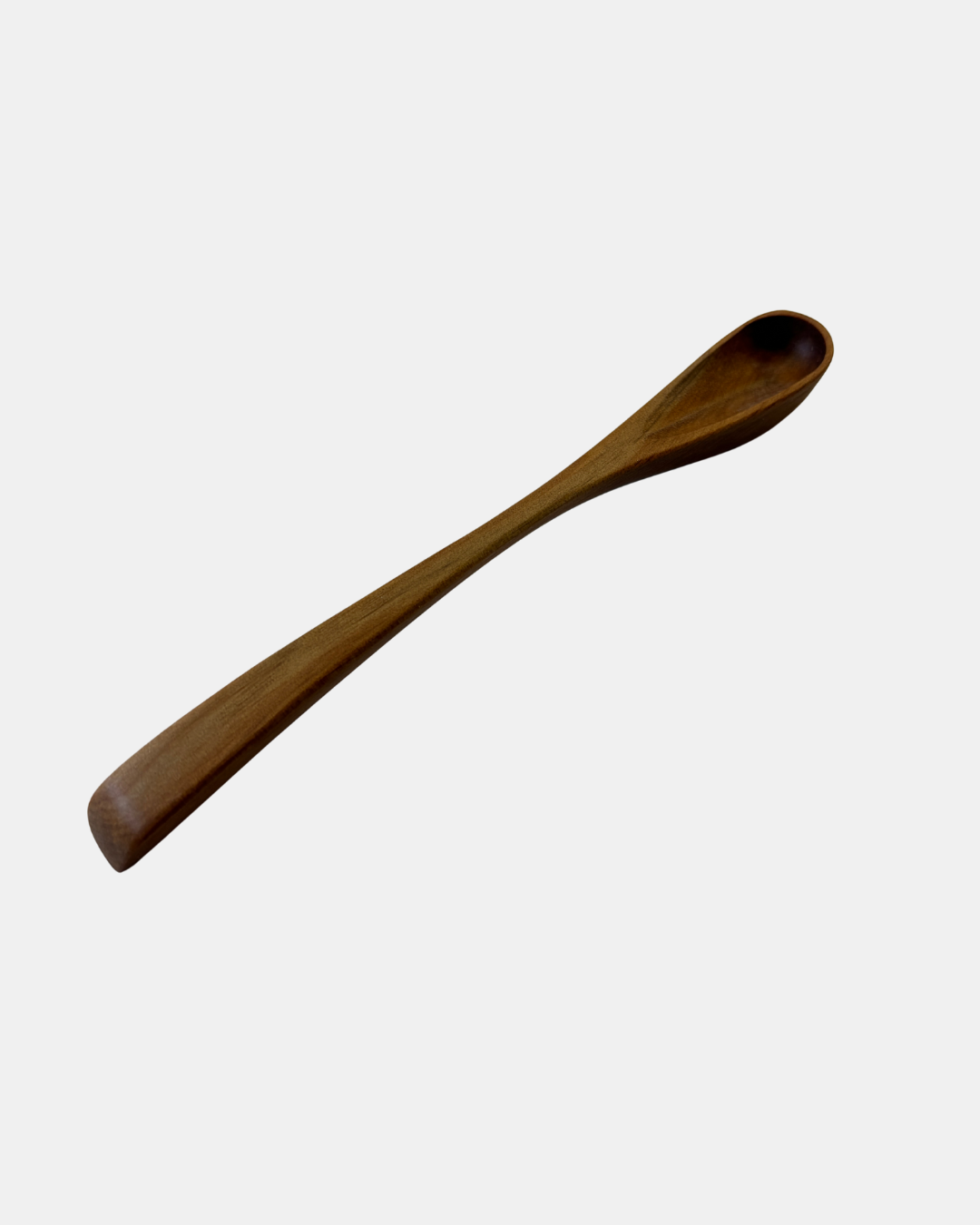 Image 2 of 2
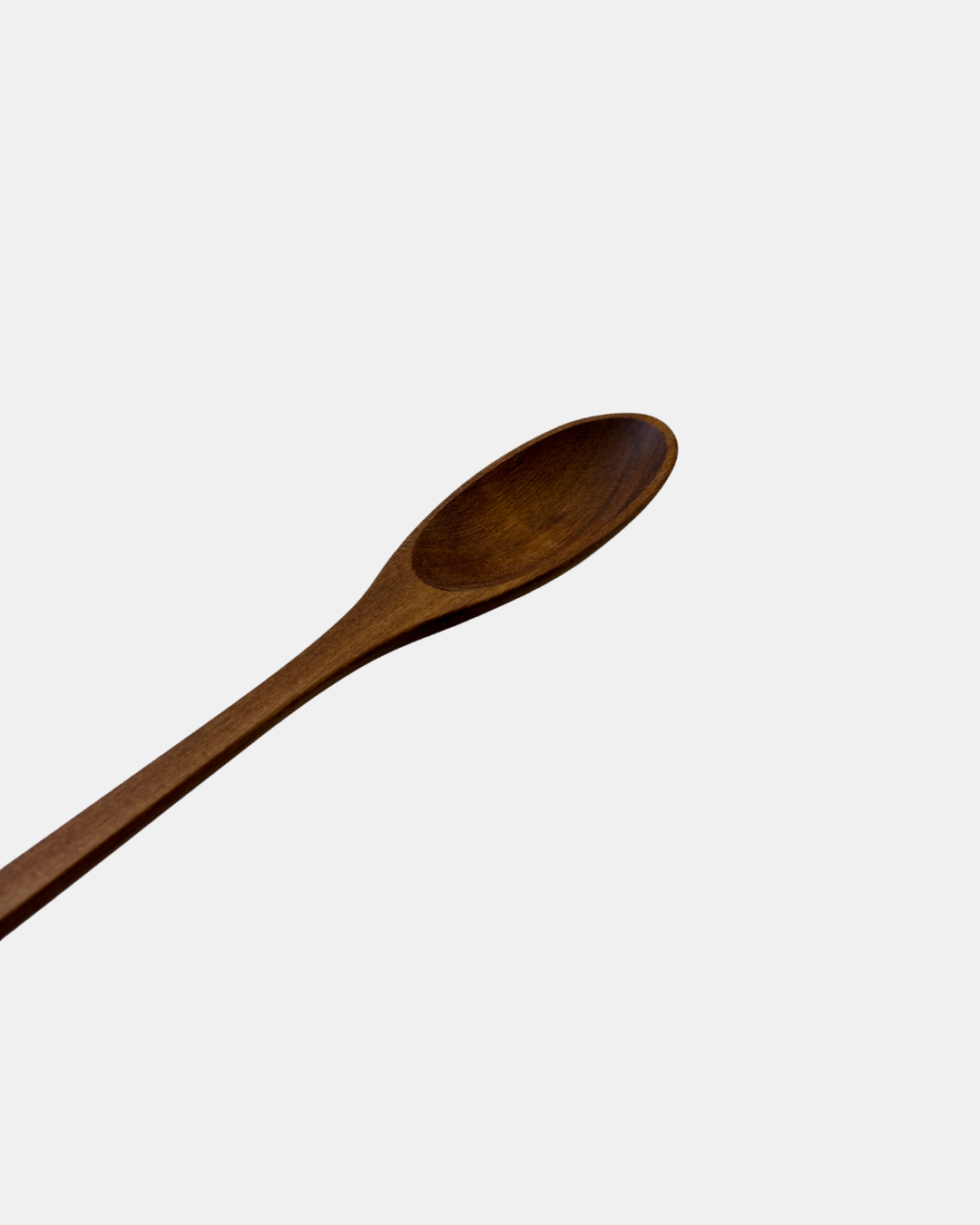
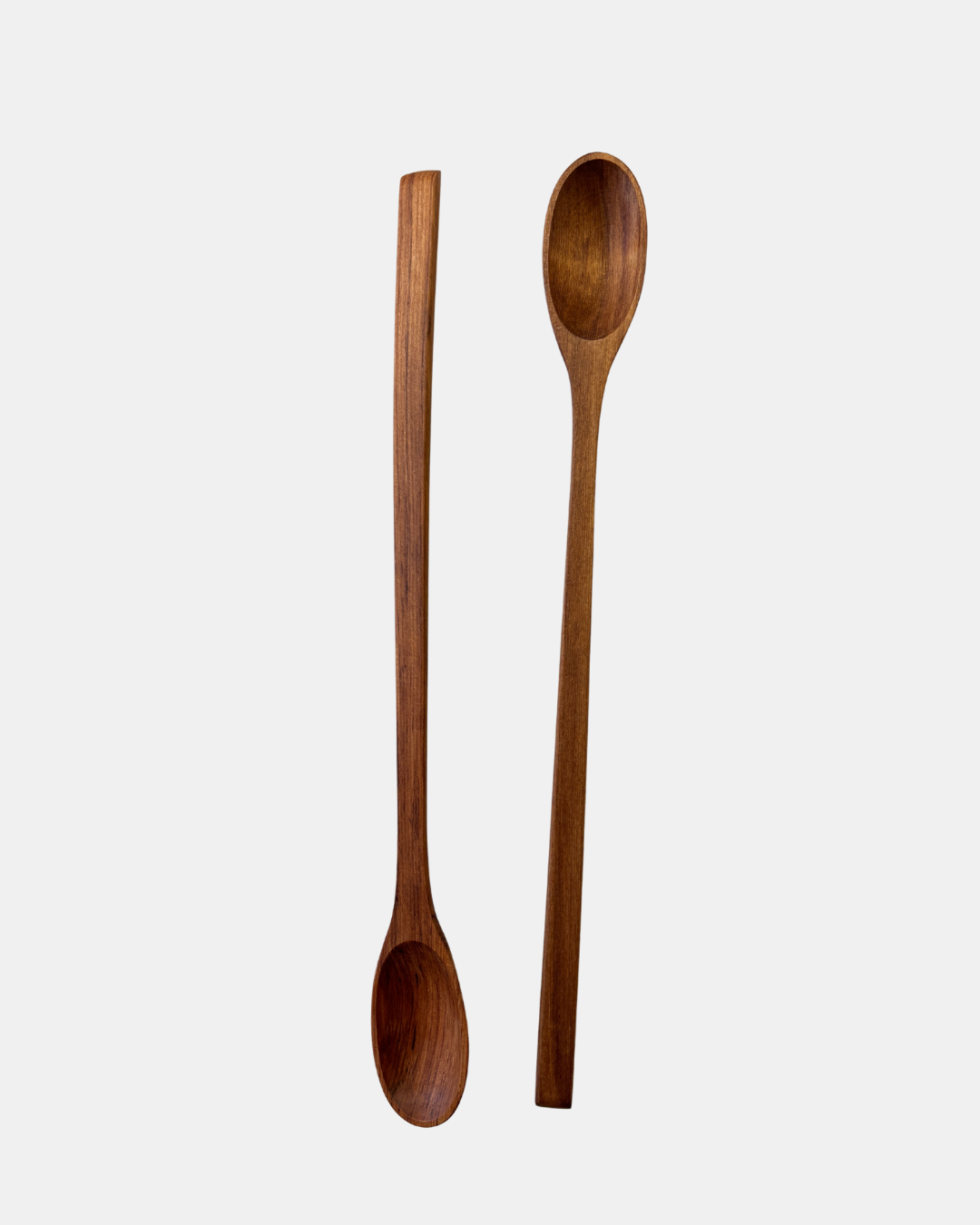
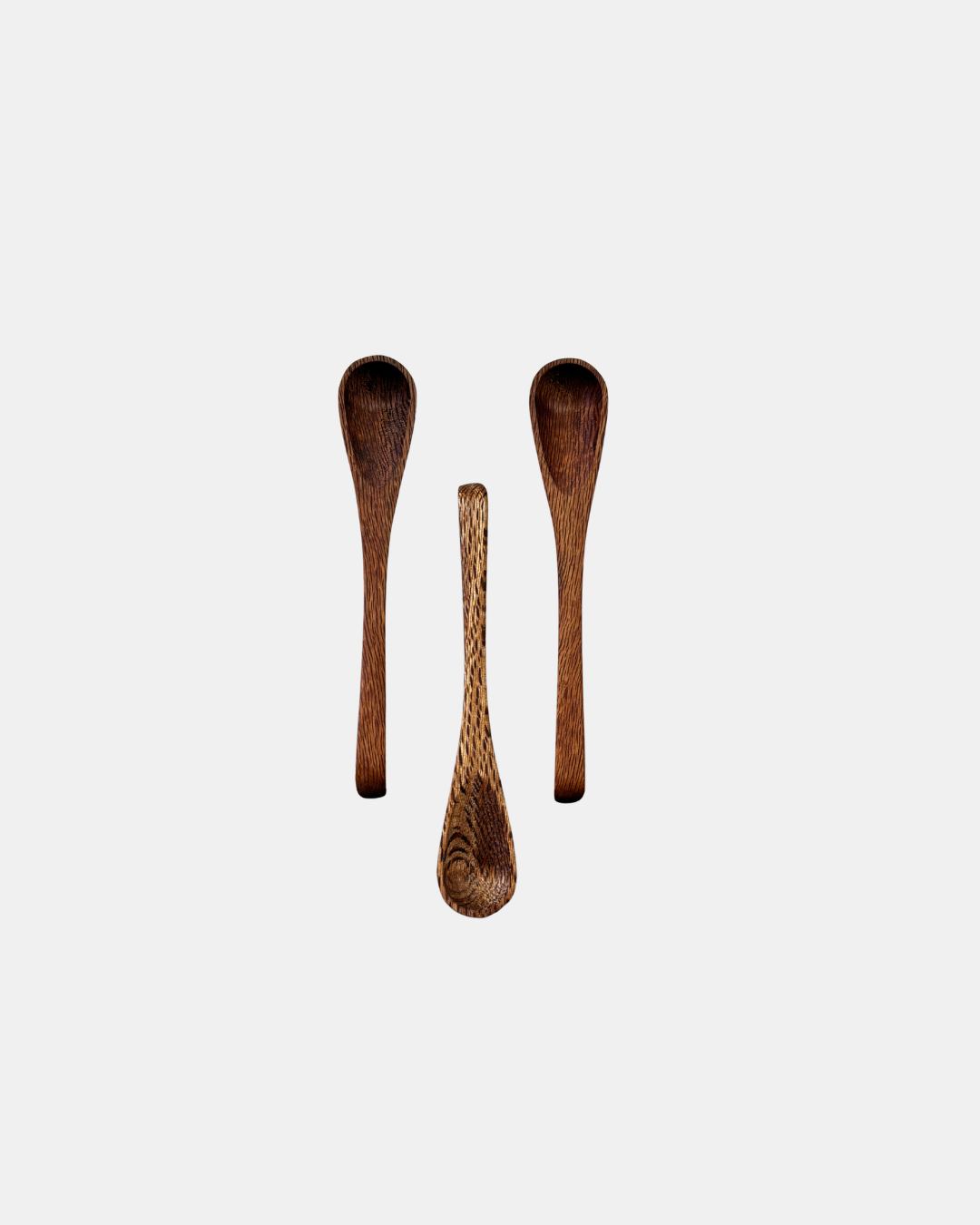
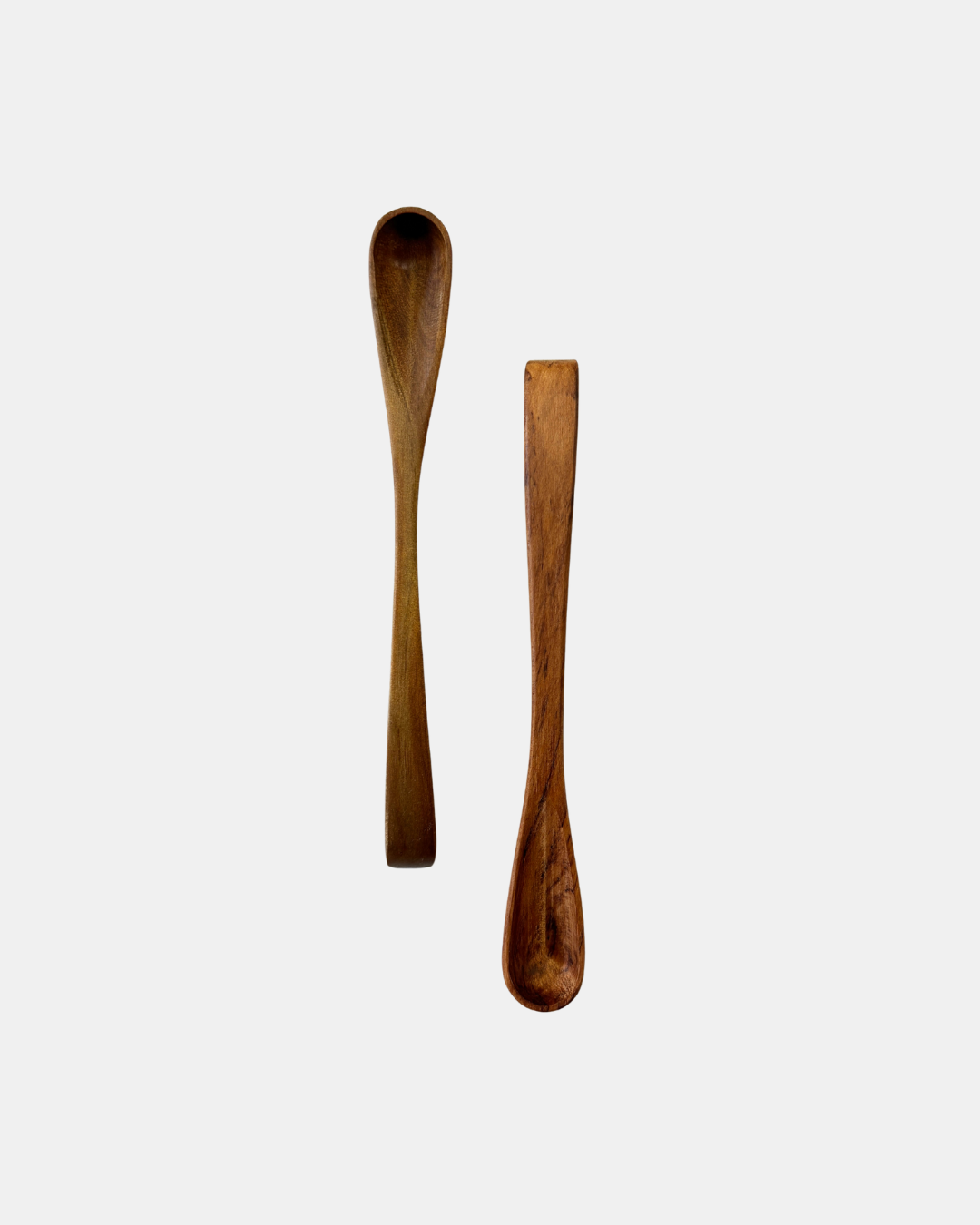
Utensils designed and handcrafted by MZ Designs on the West Coast, South Island, New Zealand
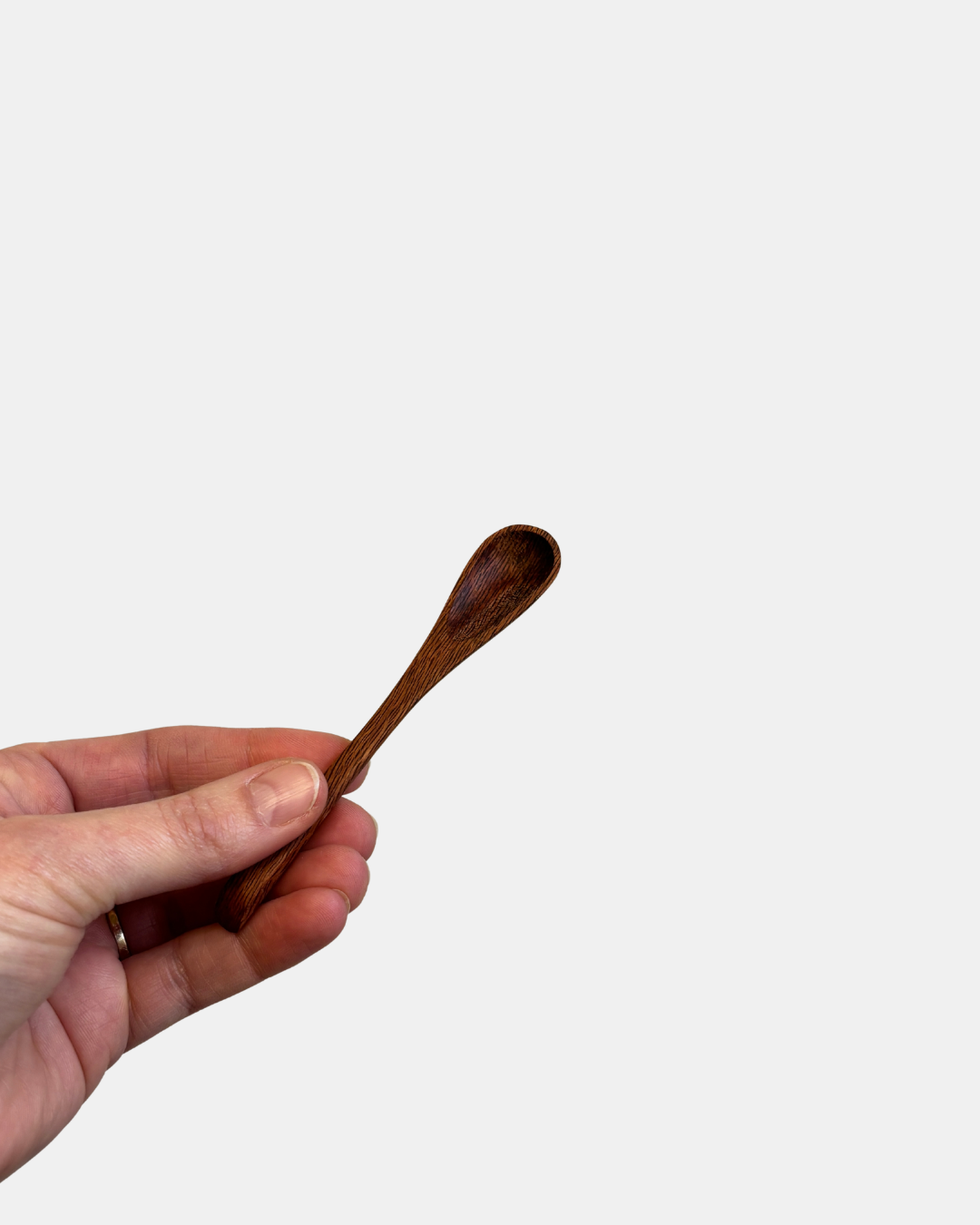
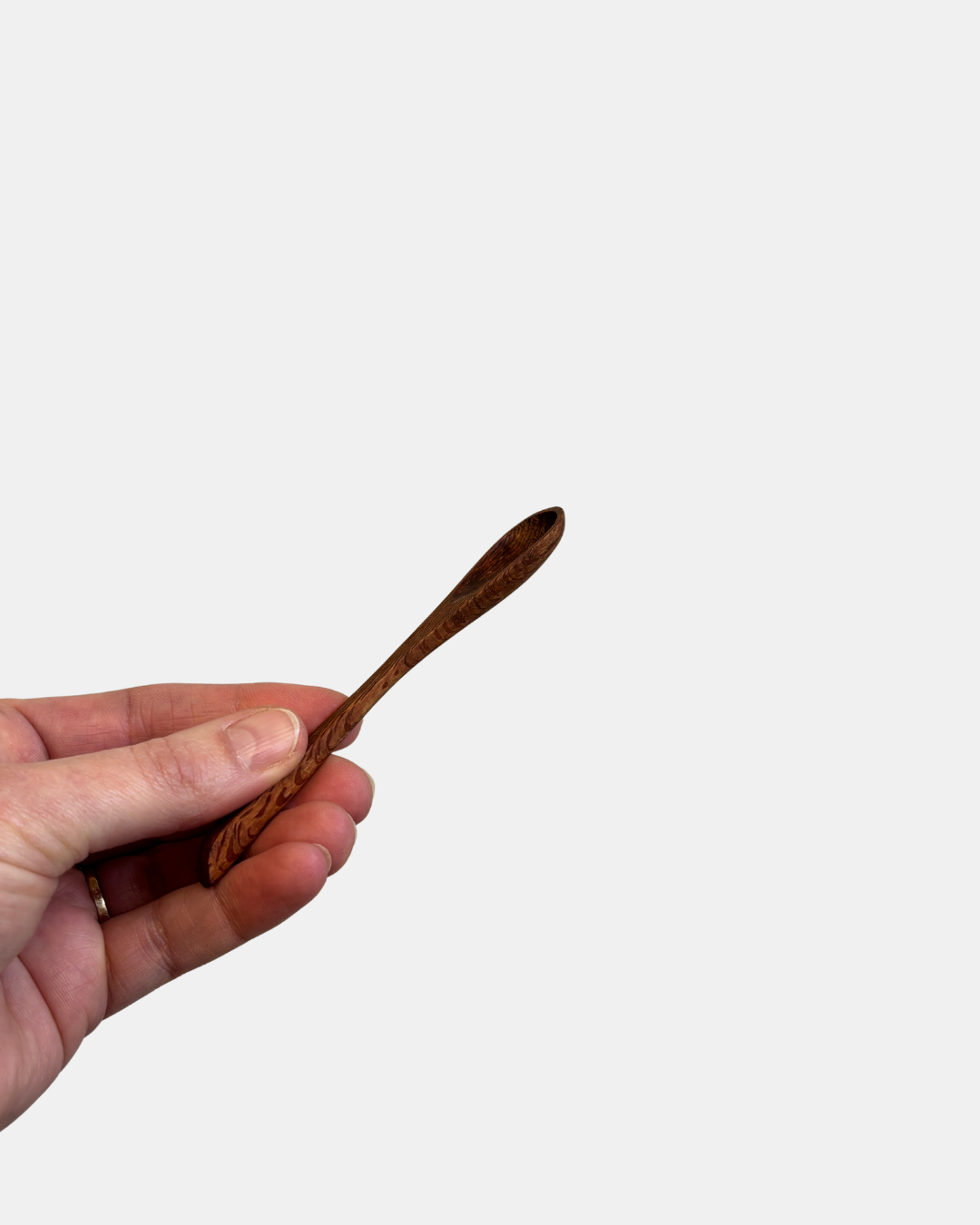
Dimensions: 165mm long
Elevate your spice rack with native wood spoons. The timber is sourced from recycled waste, ancient buried logs or sustainably managed timber.
RimuDacrydium cupressinum
Rimu is the genetic ancestral descendant of D. cupressinum whose fossil pollen grains have traced back 70 million years. It is present in mature native forests of both North and South Islands forming the tall tree canopy 20-35m high. It is generally 1-1.5m in diameter at its base and recognised by its weeping foliage. Rimu heartwood is one of the world’s most beautifully grained timbers.
KauriAgathis australis
Kauri is the most famous of NZ timbers. It has the largest diameter of any native tree, ranging from 3-4.5m. Dense Kauri forest once covered large areas of Northland and the Coromandel. What is left of the old growth Kauri forests is now protected. It’s heartwood ranges in colour from light yellow to red brown. Quarter sawn Kauri has a characteristic fleck in the grain. The Kauri used in these items is from logs recovered from swamps buried 8-10,000 years ago.
Utensils designed and handcrafted by MZ Designs on the West Coast, South Island, New Zealand
Dimensions: 165mm long
Elevate your spice rack with native wood spoons. The timber is sourced from recycled waste, ancient buried logs or sustainably managed timber.
RimuDacrydium cupressinum
Rimu is the genetic ancestral descendant of D. cupressinum whose fossil pollen grains have traced back 70 million years. It is present in mature native forests of both North and South Islands forming the tall tree canopy 20-35m high. It is generally 1-1.5m in diameter at its base and recognised by its weeping foliage. Rimu heartwood is one of the world’s most beautifully grained timbers.
KauriAgathis australis
Kauri is the most famous of NZ timbers. It has the largest diameter of any native tree, ranging from 3-4.5m. Dense Kauri forest once covered large areas of Northland and the Coromandel. What is left of the old growth Kauri forests is now protected. It’s heartwood ranges in colour from light yellow to red brown. Quarter sawn Kauri has a characteristic fleck in the grain. The Kauri used in these items is from logs recovered from swamps buried 8-10,000 years ago.