

It’s a question that comes up often - is art actually a good investment
The short answer: it can be. But it’s not always predictable, and it shouldn’t be the only reason you buy.
For many people exploring art as an investment in NZ, the goal sits somewhere in the middle - owning pieces you genuinely love while making thoughtful, informed choices that may hold or grow in value over time. Whether you're looking to buy New Zealand art for your home or begin building a meaningful art collection, a balanced approach almost always leads to better long-term outcomes.
Here’s how to approach buying investment art with both clarity and realism.
Start With This: Buy What You’d Live With
Before anything else, ask yourself: Would I still want this if it never increased in value?
Unlike shares or property, art is something you live with every day. Its primary return is emotional and aesthetic - how it makes your space feel.
The most experienced collectors will tell you the same thing: if you focus only on profit, you’ll likely make poorer decisions.
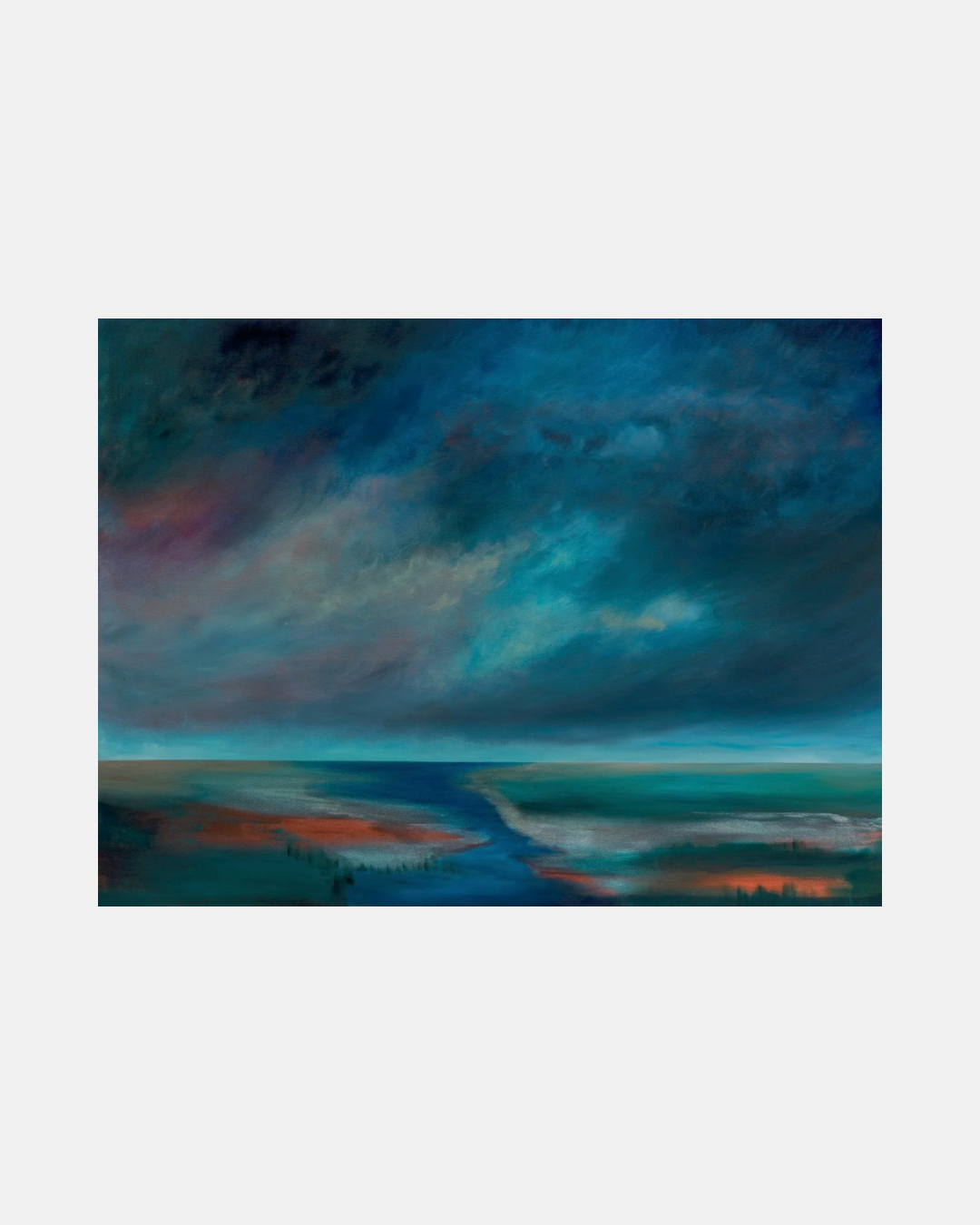
A strong foundation for collecting art is choosing pieces that resonate with you first, and considering investment potential second.
Understand What Drives Value
Art doesn’t appreciate in a straight line - and not all art increases in value.
Some of the key factors that influence long-term value include:
The artist’s career trajectory
Emerging artists can offer opportunity, but also carry risk. More established artists tend to have steadier markets.
Provenance and exhibition history
Where the work has been shown, and who has owned it, can matter significantly.
Scarcity
Limited works, unique pieces, or tightly controlled editions tend to hold value better.
Medium and quality
Original paintings typically carry different weight compared to prints, but high-quality limited edition prints can still be valuable.
If you’re serious about buying investment art, take time to research - not just the piece, but the artist behind it.
The NZ Context: A Smaller, Informed Market
When considering art as an investment in NZ, it’s important to understand the local landscape.
New Zealand has a relatively small but well-informed art market. That means:
Trends can move differently than in larger international markets.
Local artists often build strong, loyal followings.
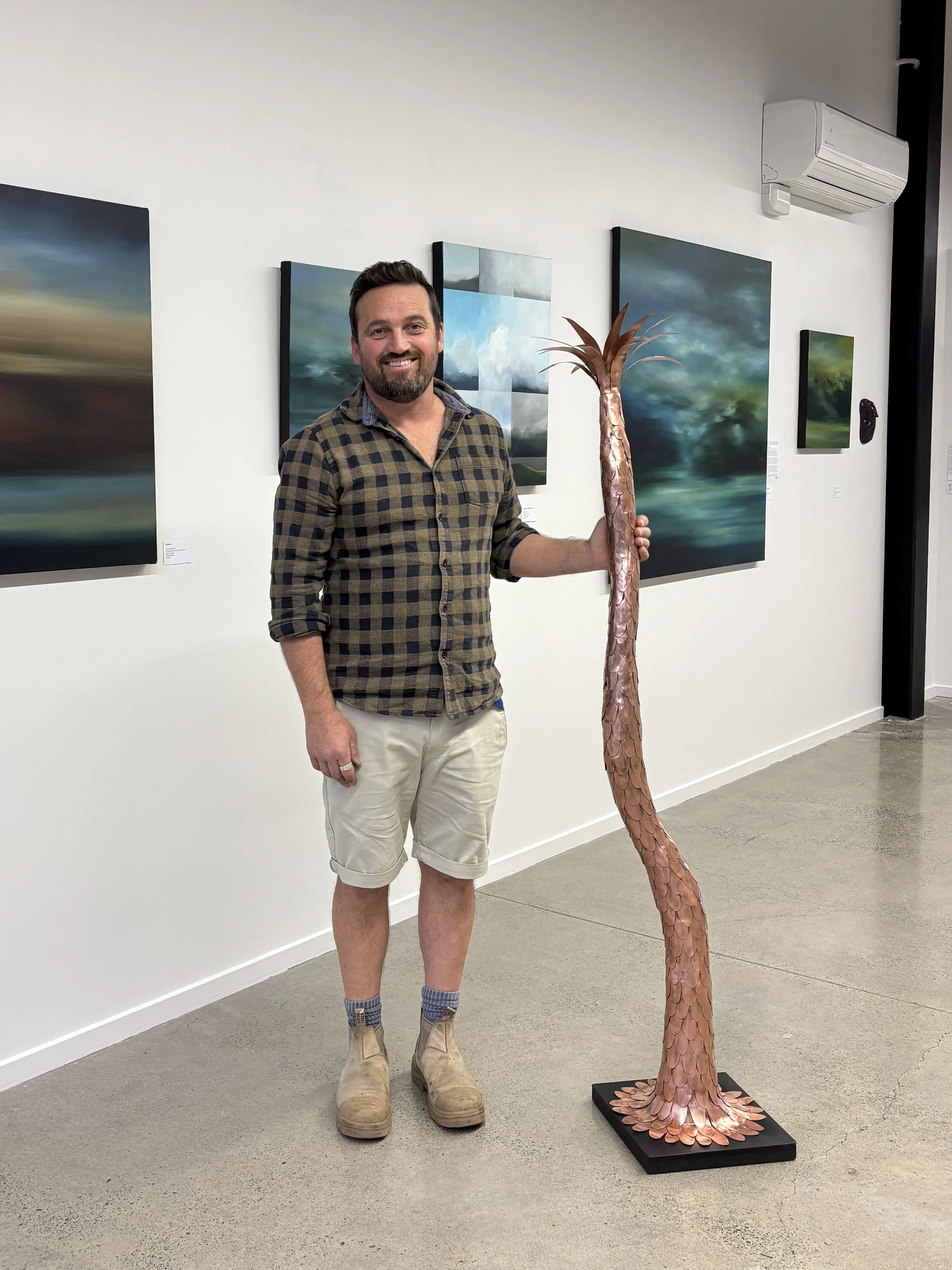
Galleries play an important role in shaping reputations: A trusted Christchurch art gallery can also provide valuable insight into an artist's practice, exhibition history, and career development. For collectors looking to buy New Zealand art, these relationships often become just as important as the artwork itself.
There’s real value in building relationships with galleries and staying engaged with the local scene - it gives you better insight than simply following global headlines.
Emerging vs Established Artists
This is where many buyers pause: Do you invest early, or play it safe?
Emerging artists
Lower entry price
Higher potential upside
Greater uncertainty
Established artists
Higher upfront cost
More stable track record
Slower, steadier growth
A balanced collection often includes a mix of both. Supporting emerging and local artists can also be one of the most rewarding aspects of collecting. Many established New Zealand artists started with collectors who recognised their potential early and chose to support artists at a pivotal stage of their careers. If you’re newer to collecting art, starting with a few smaller works across different artists can help you learn without over-committing.
Think Long-Term (and Illiquid)
Art is not a quick-return asset.
It can take years - sometimes decades - for value to grow meaningfully. And unlike stocks, you can’t sell instantly.
This is what’s known as an illiquid investment.
So before purchasing, consider:
Are you comfortable holding this long-term?
Do you have the right conditions to care for it properly?
Are you financially secure enough that you don’t need to sell quickly?
Patience is essential.
Condition and Care Matter
Value isn’t just about the artist - it’s about the condition of the work.
To protect your investment:
Avoid direct sunlight
Frame pieces properly using archival materials
Keep documentation (certificates of authenticity, receipts)
Handle and store with care
Well-maintained artwork holds its value far better over time.
Don’t Overlook the Role of Interiors
Here’s something often missed in conversations about buying investment art:
How art lives in your space matters.
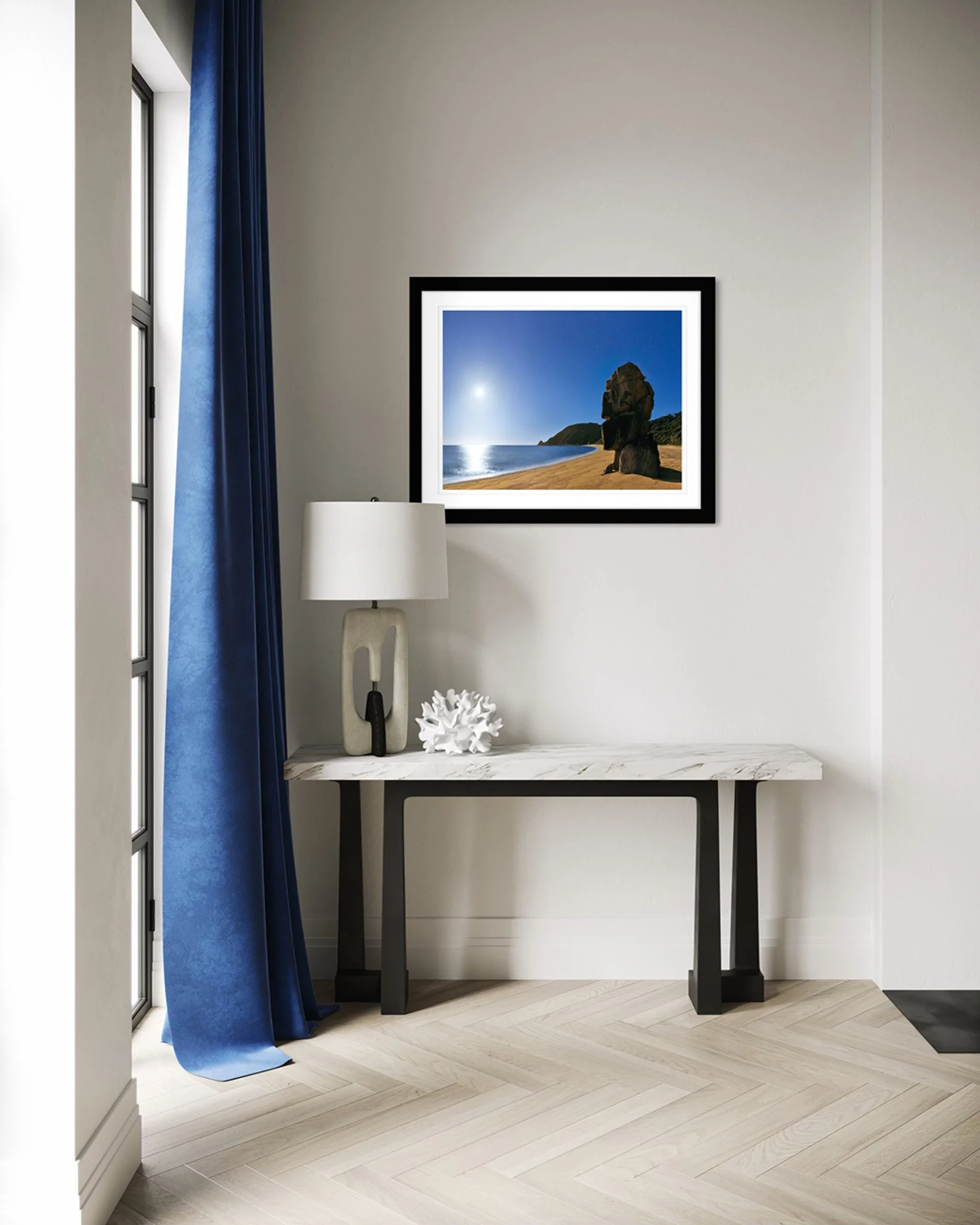
A piece that is well-placed, well-lit, and thoughtfully integrated into your home not only enhances your day-to-day experience - it also reinforces the value of the work itself.
This is where interior styling becomes part of the equation. Art shouldn’t sit in storage waiting to appreciate - it should be part of your life.
Red Flags to Watch For
If you’re buying with investment in mind, be cautious of:
Pressure to “buy now before prices rise”
Lack of clear provenance or documentation
Overhyped trends without substance
Prices that feel disconnected from the artist’s track record
A measured, informed approach will always serve you better than a rushed decision.
So, Is Art a Good Investment?
It can be - but it’s rarely simple.
The most successful approach to collecting art sits at the intersection of:
Personal connection
Informed research
Long-term thinking
If financial return happens, it’s a bonus - not the only goal.
A More Grounded Way to Collect
If you’re exploring art as an investment in NZ, the aim isn’t to build a perfect portfolio overnight.
It’s to:
Learn the landscape
Refine your eye
Buy with intention
Create a home that reflects your taste
Over time, that combination tends to lead to better decisions - and a collection that holds both personal and potential financial value.
Need Guidance?
If you’re unsure where to start, or how to choose pieces that work both aesthetically and strategically, Ashe can help you navigate the process.
From sourcing artwork to integrating it seamlessly into your home, Ashe helps collectors buy New Zealand art with confidence. Whether you're starting your first art collection, discovering local artists, or looking for investment-worthy works, the goal is simple: to help you buy well — and live well with what you choose.